How I Mastered Renovation Budgets Without Losing My Mind
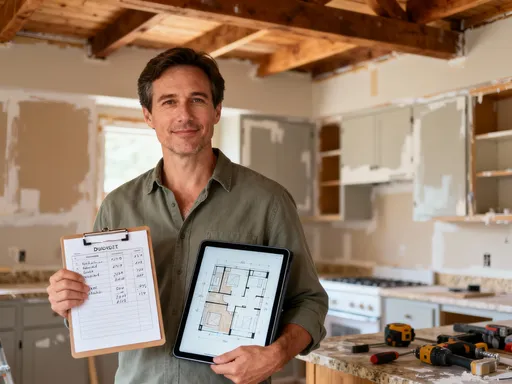
So you’re renovating? Congrats—also, brace yourself. I’ve been there, standing in a half-demolished kitchen, staring at a quote that doubled overnight. What I learned the hard way: controlling costs isn’t about cutting corners—it’s about strategy. This isn’t just budgeting; it’s financial foresight in action. Let me walk you through how to protect your wallet while building the home you want—without the stress spiral. Renovations are emotional and financial undertakings, often blurring the line between personal dreams and practical realities. But with the right approach, you can align both. The goal isn’t perfection on day one—it’s sustainability, value, and peace of mind over time.
The Hidden Cost Trap: What No One Tells You About Renovations
Many homeowners begin their renovation journey with a clear vision and a spreadsheet that looks manageable. They’ve priced out cabinets, lighting, and flooring—only to discover, weeks in, that the budget is already underwater. The culprit? Hidden costs. These are not mistakes in arithmetic; they are omissions in planning. They include expenses like building permits, waste disposal fees, engineering assessments, temporary housing, and even higher utility bills during construction. These items are rarely top of mind, yet collectively, they can add 15% to 30% to the initial estimate. For a $50,000 project, that’s an extra $7,500 to $15,000 appearing without warning.
Why do these costs go unnoticed? Because most renovation guides and contractor discussions focus on visible, tangible elements—the finishes and fixtures that make a space beautiful. Few emphasize the bureaucratic, logistical, or structural necessities that come before or alongside them. For instance, a simple kitchen remodel might require an electrical upgrade to meet current code, especially in older homes. That upgrade isn’t part of the cabinet quote, but it’s mandatory. Similarly, if you’re altering load-bearing walls, you’ll need a structural engineer’s approval, which comes with a fee and possibly additional reinforcement work. These are not optional add-ons; they are foundational requirements.
The solution lies in proactive research. Before finalizing any plan, consult with a general contractor or project manager who has experience with local regulations. Ask for a breakdown of all potential ancillary costs. Reach out to your city or county building department to understand permit requirements and associated fees. Factor in temporary inconveniences—like staying in a hotel or renting a portable kitchen—if your renovation will disrupt essential living areas. By mapping out these hidden expenses early, you shift from reactive spending to strategic allocation. This doesn’t eliminate surprises, but it reduces their impact. A well-prepared budget isn’t one that avoids overages—it’s one that expects them and plans accordingly.
Prioritizing Value: Where to Spend (and Where to Save)
Not all renovation spending is created equal. Some improvements deliver lasting value, both in terms of daily comfort and long-term property appreciation. Others are purely cosmetic, offering momentary satisfaction but little return. The key to financial wisdom in renovation is distinguishing between value drivers and lifestyle luxuries. A value driver is an upgrade that enhances functionality, energy efficiency, or structural integrity—such as a modern HVAC system, water-resistant flooring in high-moisture areas, or improved insulation. These are investments that pay off through lower utility bills, reduced maintenance, and increased market appeal.
On the other hand, lifestyle luxuries—like a built-in wine cooler, imported marble countertops, or a freestanding soaking tub—are about personal preference. There’s nothing wrong with including them, but they should be funded only after core value drivers are secured and within a pre-defined budget cap. The danger arises when homeowners allocate too much of their budget to luxury items at the expense of foundational upgrades. This imbalance can lead to a beautiful kitchen with poor ventilation or a stunning bathroom built on outdated plumbing.
To make smarter choices, adopt a tiered spending strategy. Begin by identifying the non-negotiables—those elements that address safety, code compliance, or major functional flaws. Allocate a set percentage of your total budget to these (typically 60% to 70%). Next, designate a smaller portion (15% to 20%) for quality-of-life improvements that still offer some resale value, such as updated lighting or energy-efficient windows. Finally, reserve the last 10% to 15% for personal touches—items that bring joy but aren’t essential. This framework ensures that your renovation strengthens the home’s core while still allowing room for individual expression. It also prevents the common pitfall of overspending on aesthetics while neglecting systems that affect long-term livability and cost of ownership.
The Quote Game: How to Compare Bids Without Getting Played
Receiving multiple contractor quotes should be a straightforward way to save money, but in practice, it often leads to confusion. One bid might appear significantly lower than the others, tempting you with apparent savings. Yet, upon closer inspection, it may exclude essential items like demolition, debris removal, or permit fees. Another quote might seem high but includes comprehensive project management, quality assurance checks, and a detailed timeline. Without a standardized way to compare, you risk choosing based on price alone—only to face change orders and cost overruns later.
The key to effective comparison is normalization. Ask each contractor to provide a line-item breakdown of their proposal, using the same categories: labor, materials, permits, equipment, and contingency. Request clarification on what is included and, just as importantly, what is not. For example, does the quote cover disposal of old materials? Is there a line for unexpected structural repairs? Are material grades specified, or are they left vague? A reputable contractor will welcome these questions and provide transparent documentation.
Pay close attention to red flags. A bid that is substantially lower than others may indicate the use of substandard materials, unlicensed subcontractors, or an incomplete scope. Conversely, a very high quote isn’t automatically better—it could reflect inefficiency or overpricing. Look for consistency in labor rates and material estimates. If one contractor charges $80 per hour for skilled labor while others charge $50, ask why. The difference might be justified by experience, insurance, or warranty offerings. Also, verify that all quotes are based on the same design plans and specifications. Even minor differences in square footage or fixture selection can skew comparisons.
Finally, consider the contractor’s communication style and professionalism. A detailed, well-organized bid often reflects a disciplined approach to project management. Trust your instincts—if something feels off, it probably is. The lowest price isn’t the best deal if it leads to delays, disputes, or poor workmanship. The goal is not to find the cheapest option, but the most reliable and transparent one. This kind of due diligence protects both your budget and your peace of mind.
Cash Flow Control: Timing Expenses to Match Your Budget Cycle
Even with a well-structured budget, poor timing can derail your finances. Renovations often require upfront payments for materials, permits, or deposits, while loan disbursements may be staggered according to project milestones. This mismatch between outflows and inflows can create cash flow gaps, forcing homeowners to dip into emergency savings or rely on credit. To avoid this, it’s essential to align your spending schedule with your income and funding sources.
Start by mapping out all anticipated expenses on a timeline. Identify which costs will come due before work begins—such as design fees, permits, and material orders—and which will occur during construction, like labor payments and inspections. If you’re using a renovation loan, review the disbursement schedule carefully. Most lenders release funds in phases: pre-construction, framing, rough-in, finish work, and final walkthrough. Plan your major purchases to coincide with these disbursements.
Consider adopting a phased renovation approach, especially for larger projects. Instead of remodeling the entire house at once, focus on one area at a time—kitchen first, then bathrooms, then flooring. This spreads the financial burden over several months or even years, making it easier to manage within your regular budget. It also allows you to reassess priorities and adjust plans based on real-world experience. For example, after completing the kitchen, you might realize that a full basement renovation is less urgent than initially thought.
Building in financial buffers is equally important. Set aside a portion of your contingency fund to cover timing-related shortfalls. For instance, if materials arrive early but the contractor is delayed, you may need to store them securely—a cost that wasn’t in the original plan. By planning for these overlaps and gaps, you maintain control over your cash position. Liquidity management isn’t about having excess funds; it’s about ensuring that money is available when needed, without creating unnecessary stress or debt.
Material Smarts: Balancing Quality and Cost Without Sacrificing Integrity
Materials account for a significant portion of renovation costs—often 40% to 60% of the total budget. Yet, many homeowners make choices based solely on appearance or upfront price, overlooking long-term value. A cheaper flooring option might look identical to a premium brand but wear out in half the time, requiring earlier replacement. The smarter approach is to evaluate materials based on lifecycle cost: the total expense over time, including durability, maintenance, and replacement frequency.
Begin by researching the performance characteristics of different materials. For flooring, consider foot traffic, moisture exposure, and ease of cleaning. In kitchens and bathrooms, water resistance and mold resistance are critical. For countertops, weigh factors like scratch resistance, heat tolerance, and staining potential. A quartz countertop may cost more than laminate, but its longevity and low maintenance can justify the investment. Similarly, vinyl plank flooring may outperform hardwood in basements due to its moisture resistance, even if it lacks the same prestige.
Smart sourcing can also lead to substantial savings. Many suppliers offer display models, overstock items, or discontinued lines at deep discounts. These products are often in perfect condition and can be used without compromising quality. Buying in bulk—such as purchasing all tiles for the house at once—can unlock volume pricing. Some manufacturers offer seasonal promotions or contractor pricing to licensed professionals, which you might access through your general contractor.
However, never compromise on structural or safety-related materials. Electrical wiring, plumbing pipes, insulation, and structural lumber must meet code requirements and industry standards. Cutting corners here is not a savings—it’s a risk. The same applies to adhesives, sealants, and fire-rated materials. When in doubt, consult with your contractor or a building inspector. The goal is not to spend less, but to spend wisely—choosing materials that deliver the best balance of cost, performance, and longevity.
Risk Mitigation: Planning for the “What Ifs” That Break Budgets
No matter how detailed your plans, renovations rarely go exactly as expected. Behind walls, under floors, and above ceilings, hidden issues often emerge—outdated wiring, termite damage, mold, or foundation cracks. These discoveries can trigger unplanned expenses that strain even the most carefully crafted budgets. Rather than hoping for the best, the financially responsible approach is to plan for uncertainty.
The most effective tool for risk mitigation is a contingency reserve. Financial advisors and construction experts commonly recommend setting aside 10% to 20% of your total budget for unexpected costs. For a $40,000 renovation, that’s $4,000 to $8,000 held in reserve. This fund should be treated as untouchable unless a genuine surprise arises. It’s not a slush fund for upgrades—it’s insurance against the unknown.
Another layer of protection is proper contract design. Ensure your agreement with the contractor includes clear language on change orders—how they are requested, documented, and priced. A well-drafted contract will require written approval before any additional work begins, preventing unauthorized upgrades or scope creep. It should also specify how hidden conditions will be handled. For example, if old plumbing is found to be unsafe, the contract might outline a process for assessing repair options and costs before work proceeds.
In high-risk areas—such as older homes with unknown histories—consider investing in pre-renovation assessments. A structural engineer can inspect for foundation issues, while a licensed electrician can evaluate the panel and wiring. These evaluations come with a fee, but they can prevent much larger expenses later. Similarly, title searches or property inspection reports may reveal past issues that could impact the renovation. Foreseeing risks isn’t about fear—it’s about financial discipline. By preparing for the unexpected, you maintain control, avoid debt, and protect your long-term financial health.
Long-Term Gains: Viewing Renovation as Financial Strategy, Not Just Expense
A renovation is often seen as a cost—a necessary drain on savings to fix an outdated space. But when approached with discipline and foresight, it can be redefined as a strategic financial move. The smartest renovations don’t just improve aesthetics; they enhance functionality, efficiency, and long-term value. They reduce future maintenance costs, lower utility bills, and increase comfort—all of which contribute to a better quality of life and stronger financial position.
Consider the long-term impact of energy-efficient upgrades. Installing double-pane windows, high-efficiency HVAC systems, or improved insulation may require upfront investment, but they deliver ongoing savings. Over a decade, those savings can exceed the initial cost, effectively making the upgrade self-funding. Similarly, accessibility improvements—like wider doorways or zero-threshold showers—may not seem urgent today, but they can extend your ability to live independently in the future, delaying or eliminating the need for assisted living.
If you plan to sell, a well-executed renovation can significantly boost resale value. But not all projects offer the same return. According to industry data, kitchen and bathroom updates typically yield the highest ROI, especially when they modernize outdated layouts without over-improving for the neighborhood. Adding a home office or improving curb appeal through landscaping or exterior paint can also attract buyers and justify a higher asking price. The key is alignment—spending in ways that match both your personal needs and market expectations.
Ultimately, a renovation is part of your broader financial ecosystem. It reflects your values, priorities, and vision for the future. By treating it as a strategic investment rather than a one-time expense, you make choices that support long-term stability. You avoid debt, preserve savings, and build equity. You create a home that serves you today and strengthens your financial foundation tomorrow. That’s not just smart renovation—it’s smart living.