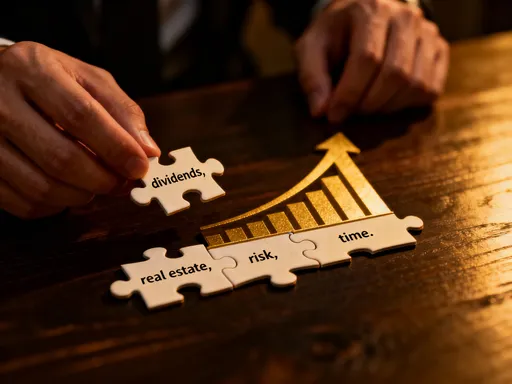
How I Survived a Debt Crisis and Found a Smarter Way to Invest
I remember staring at my bills, heart racing, realizing I was in too deep. The debt crisis hit hard, and I felt trapped. But that low point changed everything. Instead of panicking, I shifted my mindset and rebuilt my finances from the ground up. This is not just about cutting expenses—it’s about smarter choices, real strategies, and an investment philosophy that works when you need it most. Here’s what actually helped me turn chaos into clarity. It wasn’t a sudden windfall or a miracle solution. It was discipline, education, and a complete rethinking of what it means to build wealth. This journey taught me that financial security isn’t found in high-risk bets or chasing trends—it’s built quietly, day by day, through decisions that honor both reality and long-term goals.
The Breaking Point: When Debt Feels Unmanageable
There was a moment—clear and cold—when I could no longer ignore the truth. I sat at my kitchen table, surrounded by overdue notices, credit card statements, and a spreadsheet that made my stomach twist. The numbers didn’t lie: I owed more than I could comfortably repay, and the interest was growing faster than my income. Sleep became elusive, replaced by late-night calculations and rising anxiety. I wasn’t alone—studies show that millions of households face similar stress, often not because of reckless spending, but because of life’s unpredictability. A medical bill, a car repair, a job loss—any one of these can tip a balanced budget into crisis.
What made it worse was the shame. I had always considered myself responsible, someone who paid bills on time and planned ahead. But over time, small choices added up. I justified convenience purchases, relied on credit for home repairs, and told myself I’d catch up “next month.” Lifestyle creep crept in quietly—upgraded subscriptions, dining out more often, replacing functional items with newer models. These weren’t extravagant luxuries, but together, they stretched my budget beyond its limits. The realization wasn’t dramatic; it was gradual, like water rising in a basement until one day, you’re standing in it.
Financial instability often begins with a gap between income and outflow, but it’s sustained by emotional responses. Denial, avoidance, and short-term fixes only deepen the hole. I learned that recognizing the problem is not weakness—it’s the first act of strength. Admitting I was in over my head allowed me to stop blaming myself and start seeking solutions. That shift in mindset—away from shame and toward responsibility—was the real turning point. It wasn’t about fixing everything overnight; it was about choosing to face the truth, no matter how uncomfortable.
Debt First, Dreams Later: Why Prioritizing Liabilities Isn’t Giving Up
For years, I believed the common advice: start investing early, even if you have debt. I opened a retirement account while carrying credit card balances, thinking I was being smart—after all, wasn’t the stock market supposed to average 7% annual returns? What I didn’t understand then was the math of interest. Paying 18% or 20% on debt is a guaranteed loss, while stock market returns are uncertain and long-term. In effect, every dollar I put into investments while carrying high-interest debt was losing ground. I was trying to climb a hill while the ground beneath me was sliding backward.
Clearing high-interest debt isn’t just a financial move—it’s the highest-return, risk-free investment most people will ever make. When you eliminate a 19% interest burden, you’re effectively earning a 19% return on that money, tax-free and with no market risk. No mutual fund, no real estate deal, no side hustle can promise that kind of certainty. I began to see debt repayment not as deprivation, but as a powerful form of wealth-building. Every payment reduced my financial drag and increased my future flexibility.
This doesn’t mean abandoning dreams. It means restructuring the order in which we pursue them. Buying a home, funding education, or starting a business all require financial stability. If your foundation is weakened by debt, even a small setback can collapse the whole structure. I paused my retirement contributions temporarily—not permanently—and redirected that money toward my highest-interest balances. It wasn’t easy, and it required discipline, but within a year, I had cut my total debt in half. That progress gave me momentum and confidence. The lesson was clear: security precedes growth. You don’t invest to escape debt; you escape debt to invest with power.
The Strategy Shift: From Reactive to Proactive Money Management
Once I accepted that I needed a real plan, not just good intentions, everything changed. I moved from reacting to emergencies to creating systems that prevented them. The first step was categorizing my debt by interest rate and minimum payment. I listed every balance—credit cards, personal loans, medical bills—and sorted them from highest to lowest interest. This gave me clarity and a roadmap. I chose the avalanche method, focusing on the highest-interest debt first while making minimum payments on the rest. Some prefer the snowball method—paying off the smallest balances first for psychological wins—but I valued the long-term savings more than the quick morale boost.
I also reached out to creditors to negotiate. I was nervous at first, but many companies are willing to work with customers who show responsibility. I successfully lowered interest rates on two credit cards and arranged a temporary hardship plan for a medical bill. These adjustments reduced my monthly burden and accelerated my payoff timeline. I also consolidated one high-interest card into a lower-rate personal loan, which simplified payments and saved hundreds in interest over time. These moves weren’t about avoiding responsibility—they were about using available tools wisely.
Then came the daily habits. I started tracking every expense, not to punish myself, but to understand my patterns. I used a simple spreadsheet to log purchases, and within weeks, I spotted areas where I could cut back—like subscription services I rarely used or grocery runs that got out of hand. I set up automatic payments for all my bills, ensuring I never missed a due date and incurred late fees. I also created a bare-bones budget that covered essentials only, giving me breathing room to allocate extra funds toward debt. These systems didn’t rely on willpower—they ran on consistency, and that made all the difference.
Rethinking Investment: It’s Not Just Stocks and Timing
One of the most liberating realizations was redefining what it means to invest. For years, I thought investing meant buying stocks, watching markets, and hoping for gains. But true investment is about allocating resources to generate future value. By that definition, paying off debt isn’t the opposite of investing—it’s one of the best forms of investing you can do. Every dollar used to eliminate high-interest debt delivers a guaranteed return equal to the interest rate. That’s a safer, more predictable outcome than any stock tip or market forecast.
I began to see my financial recovery as an investment portfolio of its own. Debt reduction was my highest-yield asset. Building an emergency fund was risk mitigation. Investing in financial education—books, courses, budgeting tools—was human capital development. Even small improvements in my credit score became part of the strategy, as better credit opens doors to lower interest rates and better loan terms in the future. This broader view helped me stay motivated, because I could see progress in multiple areas, not just a shrinking balance.
I also stopped viewing frugality as sacrifice. Instead, I saw it as focus. Every dollar I didn’t spend on interest was a dollar I could redirect toward freedom. I stopped comparing myself to others who seemed to be living larger lives—many of them were doing so on credit. My goal wasn’t to keep up; it was to get ahead on my own terms. This mindset shift allowed me to celebrate small victories: a zero balance on one card, a credit score increase, a month with no new debt. These weren’t flashy milestones, but they were real, and they built lasting confidence.
Risk Control as a Daily Practice, Not a One-Time Fix
Once I had cleared the worst of my debt, I knew I couldn’t return to old habits. Stability isn’t achieved once—it’s maintained every day. I built buffers to protect myself from future shocks. The first was a starter emergency fund, even while I was still paying off debt. I started with $500, then grew it to $1,000, and eventually to three to six months of living expenses. This fund wasn’t for vacations or upgrades—it was for true emergencies: a broken appliance, a medical co-pay, a temporary income drop. Having it meant I wouldn’t need to rely on credit when life inevitably threw a curveball.
I also reviewed my insurance coverage. I made sure I had adequate health, auto, and renter’s insurance—not to maximize claims, but to minimize exposure. Insurance isn’t an investment in growth; it’s a defense against catastrophic loss. I also set up alerts for unusual account activity and used strong, unique passwords for financial accounts. Cybersecurity might seem unrelated, but identity theft can trigger financial crises just as quickly as overspending.
Another key was maintaining a lean budget, even as my income improved. I avoided lifestyle inflation by setting a rule: any raise or bonus would be split between debt repayment, savings, and only a small portion for discretionary spending. This ensured that increased income translated into increased security, not increased expenses. I also practiced the 24-hour rule for non-essential purchases—waiting a day before buying anything over $50. This simple habit eliminated many impulse buys and helped me align spending with values.
Risk control isn’t glamorous, but it’s essential. It’s the seatbelt, not the speed. It doesn’t make the journey exciting, but it ensures you arrive. I learned that long-term financial health isn’t about avoiding all risk—it’s about managing it wisely. You can’t predict every challenge, but you can prepare for the possibility. That preparation is what turns fragility into resilience.
Building Real Wealth: The Slow Lane That Actually Gets You There
With my debt cleared and my emergency fund in place, I finally felt ready to invest for growth—and I did so differently than before. I no longer chased hot stocks or market timing. Instead, I embraced a long-term, diversified approach focused on consistency. I started with low-cost index funds, which offer broad market exposure and historically strong returns over time. These funds don’t promise overnight riches, but they provide steady growth through compound interest, especially when contributions are regular and sustained.
I automated my investments, setting up monthly transfers to my retirement and brokerage accounts. This removed emotion from the process and ensured I stayed consistent, even when the market dipped. I learned that time in the market beats timing the market. Missing just a few of the best performing days can drastically reduce long-term returns, so staying invested through ups and downs is crucial. I also diversified across asset classes—stocks, bonds, and real estate investment trusts—to reduce volatility and protect against sector-specific downturns.
But the biggest change was behavioral. I stopped measuring success by account balances and started measuring it by peace of mind. I no longer checked my portfolio daily or panicked during market corrections. I understood that short-term fluctuations are normal and that my strategy was built for decades, not months. I focused on what I could control: my savings rate, my spending habits, my financial education. The market would do what it would do—I would do what I could to stay the course.
This approach won’t make headlines, but it builds real wealth. It’s not about doubling your money in a year; it’s about growing it steadily, safely, and sustainably. And because I started from a position of strength—debt-free and prepared—I could invest with confidence, not desperation. That confidence made all the difference.
The Bigger Picture: Financial Health as a Lifelong Practice
Looking back, I see my debt crisis not as a failure, but as a necessary reset. It forced me to confront my assumptions, rebuild my habits, and redefine what financial success means. I used to think it was about having more—more money, more things, more status. Now I know it’s about having enough—enough security, enough clarity, enough freedom to make choices without fear. True financial health isn’t a destination; it’s a daily practice of awareness, discipline, and balance.
My values have shifted. I care less about appearances and more about sustainability. I’ve learned that small, consistent actions compound just like money does. Skipping one coffee won’t change your life, but choosing to save or invest that money every day for years can. The same is true for honesty—being truthful with yourself about your spending, your goals, and your progress. That honesty is the foundation of all good financial decisions.
I also understand now that mindset matters more than math. Two people with the same income and debt can have completely different outcomes based on their beliefs and behaviors. One might feel powerless and give up; the other might feel empowered and take action. I chose to see my crisis as a catalyst, not a curse. I sought knowledge, asked for help, and stayed committed to my plan. Those choices, more than any single tactic, led to my recovery.
Financial wellness isn’t about perfection. It’s about progress. It’s about getting a little better each day, learning from mistakes, and staying focused on long-term well-being. I still review my budget monthly, track my net worth, and adjust my goals as life changes. I read personal finance books, follow trusted financial educators, and talk openly about money with family. These habits keep me grounded and moving forward.
The journey isn’t over. Life will bring new challenges—perhaps another job change, a home purchase, or retirement planning. But now I have the tools, the mindset, and the confidence to handle them. I’m no longer afraid of numbers. I’m no longer ashamed of my past. I’m in control. And that, more than any dollar amount, is the real measure of wealth.