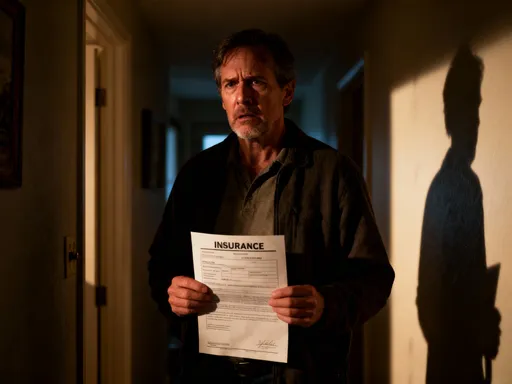
Why I Overhauled My Property Insurance Game—And You Should Too
I used to think property insurance was just another bill to pay—until a neighbor’s flood claim made me dig deeper. What I discovered changed how I view risk, coverage, and peace of mind. It’s not about spending more; it’s about protecting smarter. This is what I wish I’d known years ago—real insights from rethinking my own policy, avoiding traps, and locking in smarter protection without overpaying. I learned that assumptions can be costly, that fine print matters more than marketing slogans, and that true financial security starts with understanding what you actually own—and what you’re truly protected against. This journey wasn’t about fear. It was about clarity, control, and long-term confidence in the foundation of my family’s stability.
The Wake-Up Call That Changed Everything
It started with a storm—nothing extraordinary, just heavy rain over two days. But for one neighbor on the lower end of our street, it became a disaster. A backed-up sewer line flooded their basement, ruining furniture, flooring, and personal belongings. They filed a claim, expecting full reimbursement. Instead, they were denied. The reason? Their policy excluded water backup unless they had a specific endorsement. They had never heard of it. Neither had I. That moment was a shock to the system. I realized I was living under the same illusion: that my insurance would cover me when something went wrong. The truth is, most people don’t read their policies until they need to. By then, it’s too late. Insurance companies aren’t hiding things illegally—they’re using language and structure that make details easy to miss. I had assumed my home was fully protected. But I hadn’t reviewed the document in over five years. I didn’t know what was included, what wasn’t, or how claims were processed. That neighbor’s experience wasn’t just their problem. It was a warning sign for all of us.
What followed was a quiet but urgent mission: to understand my own policy. I pulled out the thick packet I had signed years ago and started reading—really reading. I discovered that many common household disasters were either partially covered or excluded altogether. Fire? Covered. Wind damage? Usually covered. But water damage from internal sources—like burst pipes or appliance leaks—was limited. Sewer backup, mold, and earthquakes? Not covered at all unless I added riders. The realization was unsettling. I wasn’t underinsured because I was cheap. I was underinsured because I was uninformed. This wasn’t just about money. It was about responsibility. As a homeowner, I had a duty to protect not just the structure, but everything inside it—and the financial stability of my household. Ignoring the details wasn’t saving me time. It was exposing me to risk I couldn’t afford.
The wake-up call wasn’t dramatic. There was no personal loss, no claim denied. But the near-miss was enough. I decided to stop treating insurance as a passive expense and start seeing it as an active part of financial planning. That shift in mindset changed everything. I began asking questions, comparing options, and thinking long-term. I stopped viewing my agent as a vendor and started seeing them as a partner in risk management. This wasn’t about paranoia. It was about prudence. Just like retirement savings or emergency funds, property insurance is a core pillar of financial health. And like any other financial tool, it requires attention, review, and occasional adjustment. The storm passed. The neighbor rebuilt. But the lesson stayed with me: peace of mind doesn’t come from assuming you’re covered. It comes from knowing you are.
What “Full Coverage” Really Means (Spoiler: It’s Not Full)
The term “full coverage” is one of the most misleading phrases in the insurance industry. It sounds comprehensive, complete, final. But in reality, it’s a label, not a guarantee. When I first bought my policy, I remember the agent saying, “You’re all set with full coverage.” I nodded, signed, and moved on. It wasn’t until years later that I learned what that actually meant. Most standard homeowners policies cover a specific list of named perils—events like fire, lightning, windstorms, hail, vandalism, and theft. If the damage comes from one of those causes, you’re likely covered. But if it doesn’t? You’re on your own. And the list of exclusions is longer than most people realize.
For example, water damage is a major blind spot. A roof leak from a storm? Probably covered. But a flooded basement from a sump pump failure or sewer backup? Not unless you’ve added an endorsement. Similarly, flooding from external sources—like overflowing rivers or heavy rainfall—requires a separate flood insurance policy through the National Flood Insurance Program (NFIP) or a private insurer. Even if you’re not near a river, you could still be in a flood zone. And standard policies don’t cover earthquakes, which means if you live in a moderate-risk area, you need to purchase additional coverage. Wear and tear, gradual damage, and maintenance issues are also excluded. That means if your roof fails after 20 years, it’s not an insurance issue—it’s a maintenance one.
I also learned the difference between named perils and all-risk policies. Named peril policies only cover what’s explicitly listed. All-risk policies cover everything except what’s specifically excluded—which sounds better, but still has limitations. Even “all-risk” doesn’t mean “everything.” Insurers still exclude certain risks like floods, earthquakes, and intentional damage. The key takeaway? No policy covers every possible disaster. The goal isn’t to find a perfect plan—it’s to understand where your vulnerabilities lie and address them proactively. That starts with reading your policy’s declarations page, reviewing the exclusions section, and asking your agent to explain anything unclear. “Full coverage” is a myth. Real protection comes from clarity, not convenience.
The Hidden Gaps No One Talks About
Even if you have a solid policy, there are silent gaps that can leave you financially exposed. One of the biggest surprises for me was how personal property is valued. My policy listed $50,000 in coverage for belongings, which sounded generous—until I realized it was based on actual cash value, not replacement cost. That means if my five-year-old laptop was stolen, I wouldn’t get enough to buy a new one. I’d get the depreciated value, minus the deductible. The same goes for furniture, appliances, and clothing. Over time, that gap adds up. I started calculating what it would cost to replace everything in my home at today’s prices. The number was nearly double my current coverage. That was a wake-up call. I was underinsured in a way I hadn’t even considered.
Another overlooked area is liability coverage. My policy had $300,000 in personal liability protection—enough, I thought, to cover a lawsuit if someone got injured on my property. But after researching recent court cases, I realized that medical costs, legal fees, and settlements can easily exceed that amount. A single accident could wipe out my savings. I discovered that increasing liability coverage was relatively inexpensive, especially compared to the risk. I also learned about umbrella policies, which provide an extra layer of protection—often $1 million or more—for a few hundred dollars a year. These policies kick in when your primary coverage maxes out. For families, pet owners, or anyone with a driveway or pool, this is a smart, low-cost safeguard.
There’s also the issue of additional living expenses—what happens if my home becomes uninhabitable due to a covered event. My policy covered 20% of my dwelling limit for temporary housing, meals, and other costs. But in high-cost areas, that might not be enough to rent a comparable home for months. I started looking at how long repairs typically take and what nearby rentals cost. The mismatch was concerning. I also found that some policies limit the duration of coverage—30 or 60 days—regardless of how long repairs take. These are the kinds of details that don’t come up in casual conversations with agents. They only surface when you read the policy yourself or ask the right questions. Closing these gaps isn’t about fear. It’s about realism. Insurance should reflect your actual life, not a generic template.
How I Upgraded Without Breaking the Bank
For years, I assumed that better coverage meant higher premiums. I thought upgrading would cost hundreds more per year. But when I started comparing options, I realized that smarter choices—not just more spending—could improve my protection. The first step was shopping around. I requested quotes from three other insurers, using the same coverage levels. The differences were shocking. One company offered the same protection for 18% less. Another included a free home safety inspection. I hadn’t even known I could switch. Most people stay with the same provider for years, trusting that renewal notices mean they’re still getting a good deal. But loyalty doesn’t always pay. Rates change, companies adjust, and new discounts emerge. Reviewing your policy every two years can save money and improve coverage.
I also looked at deductibles. Mine was $1,000—a standard amount. But I realized I could afford to raise it to $2,500 without straining my budget. In exchange, my annual premium dropped by 12%. That’s nearly $200 saved per year. I set aside the difference in a dedicated emergency fund, so I’d still be ready if I ever needed to file a claim. It was a trade-off: slightly higher out-of-pocket costs in a worst-case scenario for lower monthly payments. For me, it made sense. I also explored bundling. I was already paying separate bills for auto and home insurance. By switching to a single provider, I qualified for a multi-policy discount of up to 20%. That added up quickly.
Another smart move was adding replacement cost endorsements for personal property. For a small additional fee, my belongings would be covered at today’s prices, not depreciated value. I also installed a smart security system and received a 10% discount. Some insurers offer credits for fire alarms, water leak detectors, and even updated electrical systems. These aren’t gimmicks—they’re incentives to reduce risk. The less likely a claim is, the more insurers are willing to reward you. I stopped paying for duplicate coverage—like extended warranties on appliances that were already protected under my policy. Instead, I redirected those savings into higher liability limits and umbrella coverage. Upgrading wasn’t about spending more. It was about spending wisely.
Risk Mapping: Where Danger Lurks in Your Area
Your zip code plays a bigger role in your insurance than you might think. I used to believe that risk was the same everywhere—until I started looking at data. I visited the Federal Emergency Management Agency (FEMA) website and entered my address. The result? I was in a moderate flood risk zone—Zone X—not high risk, but not zero. My agent had never mentioned it. I also checked wildfire risk maps from the U.S. Forest Service and found that my region had seen an increase in dry conditions over the past decade. Crime maps from local law enforcement showed that burglary rates in my neighborhood were slightly above average. This wasn’t about fearmongering. It was about fact-based decision-making.
Armed with this information, I revisited my coverage. I decided to purchase a flood insurance policy through NFIP. It cost about $450 per year—less than I expected. Given that just one inch of water can cause $25,000 in damage, it was a reasonable investment. I also increased my personal property coverage, knowing that theft was a real possibility. For wildfire risk, I focused on prevention—clearing brush, using fire-resistant materials, and installing ember-resistant vents. Some insurers offer discounts for these upgrades. I didn’t wait for a disaster to act. I used data to guide my choices.
This approach helped me avoid over-insuring in low-risk areas and under-insuring in high-risk ones. For example, I didn’t need earthquake coverage, but I did need better water backup protection. I stopped guessing and started planning. Risk mapping also helped me understand why my premiums were what they were. Insurers use actuarial data to assess likelihood of claims. The more risk in your area, the higher the cost. But that doesn’t mean you’re powerless. You can reduce premiums by reducing risk—through home improvements, safety devices, and smart coverage choices. Knowledge isn’t just power. It’s savings. It’s security. It’s the ability to make decisions based on facts, not fear.
The Agent Conversation That Saved Me Thousands
I used to dread talking to my insurance agent. I treated the annual renewal as a chore—sign, pay, forget. But after my research, I decided to approach our next call differently. I prepared a list of questions: What endorsements are available? How does claim history affect rates? Are there discounts I’m not using? Can I bundle with other policies? The conversation lasted 25 minutes—longer than any previous call. And it was transformative. I learned that I qualified for a claims-free discount I didn’t know existed. I also found out that my credit-based insurance score was strong, which helped keep my rates low. More importantly, the agent pointed out gaps in my policy I had missed—like inadequate coverage for high-value items like jewelry and electronics.
I asked about riders—also called floaters—for these items. Instead of relying on the general personal property limit, I could schedule individual items with specific coverage. It cost a little more, but it meant full replacement value without depreciation. I also learned that some insurers offer inflation guard clauses, which automatically adjust my dwelling coverage to keep pace with rising construction costs. That’s crucial in markets where building materials and labor are getting more expensive. Without it, I could be underinsured in the future, even if I never change my policy.
The agent also explained how claims history works. One claim might not raise my rate, but two in five years could. That made me think differently about when to file. For small repairs—like a $700 roof leak—I now consider paying out of pocket to avoid potential premium increases. I also asked about loyalty programs and customer retention offers. Some companies provide discounts to long-term customers who might otherwise leave. I didn’t qualify for one, but I did get a better rate by mentioning a competitive quote. The lesson? Agents are more than bill collectors. They’re resources. But you have to engage. Ask questions. Be curious. Be proactive. A single conversation can uncover savings, improve coverage, and prevent future regrets.
Building a Maintenance Mindset: Prevention as Protection
One of the most powerful shifts in my thinking was realizing that insurance isn’t just about what happens after disaster—it’s about what you do to prevent it. I started treating home maintenance as a form of risk control. Cleaning gutters, inspecting roofs, testing smoke detectors, and checking plumbing aren’t just chores. They’re investments in safety and financial stability. A clogged gutter can lead to water damage. An outdated electrical panel can spark a fire. A leaking water heater can flood a basement. These aren’t hypotheticals. They’re common causes of claims.
I created a seasonal checklist: spring for HVAC and roof inspection, summer for outdoor drainage and tree trimming, fall for furnace and chimney cleaning, winter for pipe insulation and heating system checks. I also scheduled a professional home inspection every three years. Some insurers offer discounts for recent inspections, especially if upgrades are made. I replaced old plumbing, upgraded to a tankless water heater, and installed a smart water shutoff valve. The upfront cost was a few thousand dollars, but the long-term benefits were clear. Not only did I reduce the chance of a claim, but I also increased my home’s value and efficiency.
Prevention also extends to behavior. I started documenting my belongings with photos and videos, storing the files in the cloud. I kept receipts for major purchases. I reviewed my policy annually, not just when it renewed. I shared key details with my spouse so both of us understood our coverage. These habits didn’t take much time, but they built resilience. Insurance isn’t a magic shield. It’s a safety net—one that works best when you do everything you can to avoid falling through. The most powerful protection isn’t in the policy language. It’s in the daily choices you make to care for your home and plan for the future.
Insurance Isn’t About Fear—It’s About Freedom
Revisiting my property insurance wasn’t fun. It took time, effort, and attention to detail. But it was one of the most empowering financial decisions I’ve made. What I gained wasn’t just better coverage. I gained confidence. I gained control. I gained peace of mind. Knowing that I’ve minimized avoidable risks, closed coverage gaps, and aligned my policy with real-life threats gives me something money can’t easily buy: the freedom to live without constant worry. I no longer see insurance as a bill to tolerate. I see it as a tool to protect the life I’ve built.
This isn’t about preparing for disaster. It’s about securing stability. It’s about making sure that one unexpected event doesn’t unravel years of hard work. It’s about being ready—not because you’re afraid, but because you’re responsible. And the best part? You don’t need a crisis to start. You can review your policy today. You can ask questions. You can make small changes that add up to big protection. Whether you’re a new homeowner or have lived in your house for decades, it’s never too late to upgrade your approach. Insurance isn’t about fear. It’s about freedom. And that’s a smart investment, no matter your budget.