How I Found Calm in the Chaos: A Real Talk on Mediterranean Eating and Mindful Living
Ever feel overwhelmed by diets that promise everything but deliver stress? I did. Then I discovered the Mediterranean way—not just about food, but a mindset. It’s not perfect, but it’s real. By combining simple meals with everyday psychological tricks like mindful eating and gratitude pauses, I felt calmer, clearer, and more in control. This isn’t a quick fix—it’s a lifestyle shift that actually sticks. Let me walk you through how small changes in what I eat and how I think made a lasting difference.
The Burnout Behind the Diet
For years, the kitchen felt less like a place of nourishment and more like a battlefield. Counting calories, avoiding carbs, banning sugar—each new diet came with a longer list of restrictions and a heavier emotional toll. The irony was clear: in trying to become healthier, I felt increasingly anxious, deprived, and disconnected from my body’s true needs. The constant cycle of starting over, slipping up, and starting again created a quiet but persistent sense of failure. This emotional burden isn’t unique. Many women in their 30s to 50s find themselves caught in the same loop—juggling family meals, work schedules, and personal health goals, all while absorbing conflicting nutrition messages from social media and magazines.
The problem isn’t a lack of willpower. It’s the nature of modern diet culture itself. Most popular plans are built on extremes: all-or-nothing rules, rigid meal plans, and promises of rapid transformation. These approaches often ignore the psychological weight they carry. When food becomes a source of guilt or fear, the stress it causes can counteract any physical benefits. Chronic stress triggers inflammation, disrupts digestion, and interferes with sleep—undermining the very health people are trying to improve. The result is not just physical fatigue, but emotional exhaustion.
What many are searching for isn’t another set of rules, but a return to balance. That’s where the Mediterranean approach stands apart. Unlike trendy diets that fade as quickly as they appear, this way of eating emerged not from a lab or a influencer’s post, but from generations of real-life living in regions like Greece, southern Italy, and coastal Spain. It wasn’t designed for weight loss, but for enjoyment, connection, and sustainability. There are no forbidden foods, no point systems, no need to weigh ingredients. Instead, it offers a rhythm—centered on fresh ingredients, shared meals, and a slower pace—that naturally supports both body and mind.
What the Mediterranean Diet Really Is (And Isn’t)
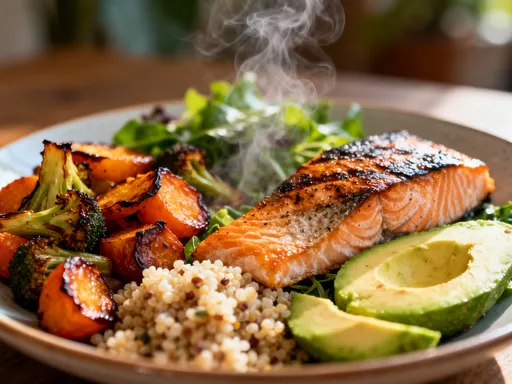
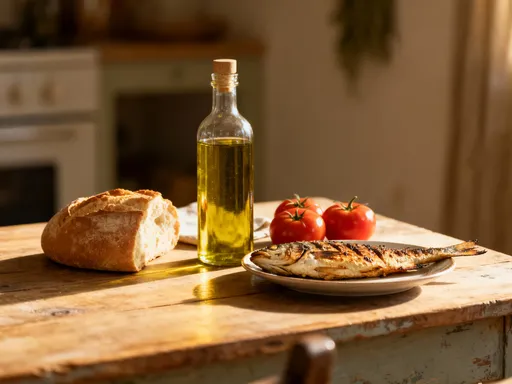
The Mediterranean diet is often misunderstood as a strict meal plan or a short-term cleanse. In reality, it’s a flexible, culturally rooted pattern of eating that emphasizes whole, minimally processed foods. At its core are vegetables, fruits, whole grains, legumes, nuts, seeds, and olive oil—the last of which serves as the primary source of added fat. Fish and seafood appear regularly, while poultry, eggs, and dairy are enjoyed in moderation. Red meat is limited, not banned, and sweets are occasional treats rather than daily indulgences. Wine, when consumed, is typically in small amounts and with meals.
One of the most freeing aspects of this approach is its emphasis on variety and enjoyment. There is no single Mediterranean diet—each region adds its own flavors and traditions. In Crete, meals might feature wild greens and snails; in southern France, herbed goat cheese and ratatouille; in coastal Turkey, grilled sardines and lentil soups. This diversity means the pattern can be adapted to different tastes, budgets, and kitchen skills. You don’t need to live near the sea or shop at specialty markets. Frozen vegetables, canned beans, and store-brand olive oil can all fit perfectly into this way of eating.
A common myth is that the Mediterranean diet is expensive or time-consuming. While fresh produce and quality olive oil may cost more than ultra-processed alternatives, the overall pattern can actually save money by reducing reliance on packaged snacks, fast food, and convenience meals. Simple swaps make a big difference: using olive oil instead of butter, adding chickpeas to a green salad, or choosing whole grain bread over white. These changes don’t require a full pantry overhaul. They build gradually, becoming part of a natural rhythm rather than a disruptive regime.
Another misconception is that this diet demands perfection. But the Mediterranean lifestyle was never about flawless eating. It’s about consistency over time, not daily precision. A family gathering might include cake and wine; a busy weeknight might call for store-bought hummus and pita. The key is the overall pattern—not any single meal. This flexibility is what makes it sustainable. Unlike diets that collapse under the weight of a single slip-up, this approach allows for life as it really is: messy, joyful, and full of occasional indulgences.
Why This Way of Eating Soothes the Mind
What makes the Mediterranean diet stand out isn’t just its impact on heart health or longevity—it’s the growing body of research linking it to better mental well-being. Scientists have observed that people who closely follow this eating pattern tend to report lower levels of depression, anxiety, and cognitive decline over time. While no single food can cure emotional distress, the combination of nutrients in this diet supports brain function in meaningful ways. The focus on plant-based foods, healthy fats, and lean protein creates an internal environment that is less prone to inflammation—a factor increasingly linked to mood disorders.
The brain is highly sensitive to the body’s overall state. Diets high in refined sugars and processed fats can trigger oxidative stress and disrupt the balance of neurotransmitters like serotonin and dopamine—chemicals that regulate mood, sleep, and motivation. In contrast, the Mediterranean pattern is rich in antioxidants, fiber, and omega-3 fatty acids, all of which help protect brain cells and support a stable nervous system. Olive oil, for example, contains polyphenols that have been shown to reduce inflammation and support blood flow to the brain. Fatty fish like salmon and sardines provide long-chain omega-3s, which are essential for maintaining the structure of brain cell membranes.
Equally important is the connection between gut health and emotional regulation. The trillions of microbes in the digestive tract—often called the gut microbiome—play a crucial role in producing neurotransmitters and modulating the immune system. A diet rich in fiber from vegetables, fruits, legumes, and whole grains feeds these beneficial bacteria, promoting a balanced microbiome. This, in turn, supports what scientists call the gut-brain axis—a two-way communication system that links digestive health with mental state. When the gut is healthy, the mind often follows.
It’s important to note that these benefits are not immediate or guaranteed. They emerge over time, as consistent eating patterns shape the body’s internal environment. The Mediterranean diet doesn’t promise a miracle cure for stress or sadness. Instead, it offers a foundation—one that makes the brain and body more resilient to life’s daily pressures. By nourishing the body with real food, people often find they have more mental clarity, better sleep, and a greater capacity to handle emotional challenges without becoming overwhelmed.
Mindful Eating as a Daily Reset
In a world of multitasking and constant stimulation, meals are often rushed—eaten in front of screens, in the car, or between errands. This habit disconnects us from the experience of eating and can lead to overconsumption, poor digestion, and increased stress. Mindful eating offers a simple but powerful counterbalance. It’s the practice of paying full attention to the act of eating: noticing the colors, smells, textures, and flavors of food; chewing slowly; and recognizing when the body feels satisfied. Far from being a spiritual exercise, it’s a practical tool that can be woven into even the busiest days.
One of the most effective mindful eating practices is simply pausing before a meal. Taking three deep breaths, expressing quiet gratitude, or just sitting for a moment without distraction signals to the body that it’s time to shift from “hustle” to “nourish.” This small ritual activates the parasympathetic nervous system—the part responsible for rest and digestion—helping the body prepare to absorb nutrients more efficiently. When digestion functions well, energy levels stabilize, and mood fluctuations decrease.
Another helpful strategy is to remove distractions during meals. Turning off the TV, putting the phone face down, and eating at a table—even for a quick lunch—creates a mental boundary that honors the meal as a moment of care. Using smaller plates can also support portion awareness without the need for strict measuring. The goal isn’t restriction, but awareness. When people eat slowly and without distraction, they often find they feel full on less food, enjoy their meals more, and carry less post-meal fatigue.
For many women managing household demands, mindful eating can feel like a luxury. But it doesn’t require long, meditative meals. Even five minutes of focused eating can make a difference. A morning ritual of sipping tea without scrolling, or a midday walk after lunch, becomes a mini-reset that accumulates over time. These moments of presence don’t just improve digestion—they reinforce a sense of self-worth. They send a quiet message: “I am worth this attention.” And that shift in mindset is where real change begins.
Building Emotional Resilience Through Routine
Life rarely follows a perfect schedule, especially for women balancing work, family, and personal well-being. In the midst of this unpredictability, small routines become anchors. The Mediterranean lifestyle thrives on rhythm—regular meal times, simple cooking practices, and the habit of sharing food with others. These patterns aren’t about rigid discipline, but about creating a predictable structure that reduces decision fatigue and emotional strain.
Cooking at home, even in a modest way, is one of the most stabilizing habits. It doesn’t require gourmet skills or hours in the kitchen. A weekly routine of preparing a few basic dishes—like a big pot of lentil soup, a tray of roasted vegetables, or a batch of whole grain muffins—provides ready-to-eat options during busy days. This reduces the temptation to rely on takeout or processed convenience foods, which are often high in sodium, sugar, and unhealthy fats. More importantly, the act of cooking can be a form of self-care—a tactile, creative process that grounds the mind in the present moment.
Meal planning, even at a basic level, supports this sense of control. Setting aside 20 minutes each week to sketch out a few dinner ideas, make a shopping list, and prep a few ingredients removes last-minute stress. It turns dinner from a daily crisis into a manageable part of the routine. And when meals are predictable, energy levels become more stable, mood swings decrease, and the overall sense of well-being improves.
Sharing food is another powerful element. Whether it’s a family dinner, a weekend brunch with friends, or a simple coffee break with a neighbor, these moments of connection nourish the soul as much as the body. Social eating has been shown to reduce feelings of loneliness and increase satisfaction with meals. In Mediterranean cultures, meals are rarely eaten in isolation. They are events—times to talk, laugh, and reconnect. Reintroducing this practice, even in small ways, can strengthen emotional resilience and remind us that we are not alone in our struggles.
Small Shifts That Actually Stick
Change is most effective when it starts small. Attempting to overhaul an entire diet overnight often leads to frustration and burnout. The Mediterranean lifestyle works because it’s built on gradual, sustainable shifts. One effective starting point is adding, not subtracting. Instead of focusing on what to eliminate, begin by including more whole foods. Try making one dinner a week meatless, using beans or lentils as the protein source. Add a handful of spinach to scrambled eggs, or swap a processed snack for a small handful of almonds and an apple.
Another manageable change is improving beverage choices. Many people consume hidden sugars through sodas, sweetened teas, and flavored coffees. Simply drinking more water—starting with one extra glass a day—can make a noticeable difference in energy and digestion. Herbal teas, sparkling water with lemon, or plain coffee with a splash of milk are all satisfying alternatives that support hydration without excess calories.
Swapping refined grains for whole grains is another simple step. Choose brown rice instead of white, whole wheat pasta over regular, or oatmeal instead of sugary cereals. These changes increase fiber intake, which supports gut health and helps maintain steady blood sugar levels—reducing energy crashes and mood swings. Over time, the body begins to crave these more nourishing options, not because they’re “good,” but because they make you feel better.
Perhaps the most important shift is in mindset: practicing self-compassion. Progress is rarely linear. There will be days of takeout, late-night snacks, or skipped meals. The goal isn’t perfection, but persistence. Each small, positive choice builds confidence and reinforces the belief that change is possible. Over time, these choices accumulate, creating a new normal—one where healthy eating feels less like a chore and more like a natural expression of self-respect.
Living It, Not Perfecting It
The true power of the Mediterranean lifestyle lies in its sustainability. It doesn’t demand flawlessness or constant effort. It invites people to live with intention, not intensity. There will always be holidays, busy weeks, or moments of craving that lead to less-than-ideal choices. And that’s okay. The occasional pizza, dessert, or restaurant meal doesn’t erase progress. What matters is the overall pattern—the daily habits that shape health over years, not days.
Women who adopt this approach often report not just physical changes—like more energy, better digestion, and improved sleep—but emotional shifts as well. They feel calmer, more centered, and less controlled by food rules. They regain a sense of agency, not through restriction, but through nourishment. Food becomes a source of pleasure and connection, not guilt or anxiety. This shift doesn’t happen overnight, but through consistent, gentle practice.
The Mediterranean way is not a destination. It’s a path—one that allows for detours, rest stops, and personal adjustments. It’s about building a relationship with food and self that is kind, flexible, and enduring. By focusing on real ingredients, mindful moments, and simple routines, it offers a way to find calm in the chaos of modern life. It’s not about being perfect. It’s about being present. And in that presence, many women discover a deeper, more lasting form of well-being—one that supports both body and mind for the long journey ahead.