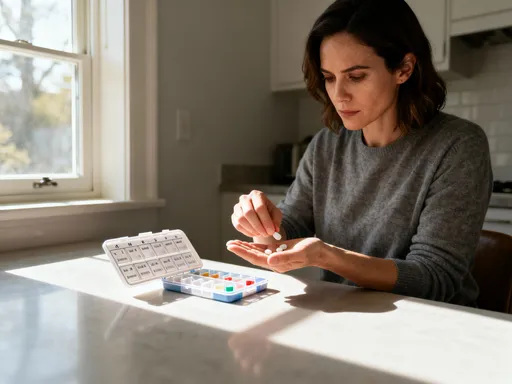
Why I Take Charge of My Health Before Illness Knocks
What if the best defense against disease isn’t treatment—but daily choices? I’ve learned that staying ahead of illness isn’t about fear, but foresight. For years, I ignored small signs until my body forced me to listen. Now, I manage my health with simple, science-backed habits that make a real difference. This isn’t a cure-all story, but an honest look at how consistent prevention and mindful disease management can change your life. Always consult your doctor—this is what works for me.
The Wake-Up Call: When Symptoms Can’t Be Ignored
It started with fatigue—nothing dramatic, just a persistent lack of energy that I blamed on a busy schedule. I dismissed occasional dizziness as dehydration and wrote off minor digestive discomfort as stress-related. Like many women in their 40s juggling family, work, and household responsibilities, I believed I had to keep going no matter what. But over time, the symptoms grew harder to ignore. What once felt like ordinary tiredness turned into a constant heaviness, making even simple tasks feel overwhelming. I began to notice my clothes fitting differently, not because of weight gain, but due to bloating that lasted for days.
One morning, after feeling unusually short of breath while climbing stairs, I finally scheduled a doctor’s appointment. Blood tests revealed elevated blood sugar levels and signs of early metabolic imbalance. My physician explained that these were not sudden developments, but the result of long-standing lifestyle patterns—poor sleep, inconsistent meals, and minimal physical activity. The diagnosis was not a crisis, but a clear warning: without changes, I was on a path toward preventable chronic conditions. This moment became my turning point, not because I was suddenly sick, but because I realized I had been slowly eroding my health without knowing it.
Early detection made all the difference. Because I sought care before serious damage occurred, I was able to make adjustments with guidance from my healthcare provider. My experience underscores a crucial truth: the body often sends signals long before disease becomes unavoidable. Ignoring them doesn’t make us stronger—it delays the opportunity to act. Professional diagnosis is essential, not just to identify problems, but to create a personalized plan for improvement. This is where prevention truly begins: not in fear of illness, but in respect for the body’s ability to heal when given the right support.
Disease Prevention vs. Disease Management: Clearing the Confusion
Many people use the terms “disease prevention” and “disease management” interchangeably, but they represent two distinct, yet interconnected, aspects of health. Prevention refers to actions taken to avoid the onset of illness, such as maintaining a balanced diet, exercising regularly, and attending routine screenings. It’s like routine car maintenance—changing the oil, checking tire pressure, and replacing worn parts before they cause breakdowns. These small, consistent efforts don’t guarantee the car will never fail, but they significantly reduce the risk of major malfunctions.
Disease management, on the other hand, comes into play when a condition is already present. It involves controlling symptoms, slowing progression, and improving quality of life. For example, someone with high blood pressure may manage it through medication, dietary changes, and regular monitoring. Management does not mean the condition is cured, but that it is being actively addressed to prevent complications. Understanding this distinction is vital because it shifts the mindset from waiting for a problem to arise to recognizing that health is an ongoing process, not a one-time achievement.
These two approaches work best when used together. A person who practices prevention may still develop a health issue due to genetics or other factors beyond their control. In that case, effective management ensures the condition doesn’t escalate. Conversely, someone managing a chronic illness can still engage in preventive behaviors to protect other areas of health. For instance, a woman managing type 2 diabetes can reduce her risk of heart disease by staying physically active and eating heart-healthy foods. The goal is not perfection, but balance—using both strategies to build long-term resilience.
A common misconception is that managing a disease means the body has failed. In reality, it reflects responsibility and awareness. Just as we wouldn’t shame someone for changing a flat tire, we shouldn’t view disease management as a personal shortcoming. What matters is the willingness to respond with care and consistency. When prevention and management are seen as complementary, rather than opposing, they form a powerful framework for lifelong wellness.
Know Your Body: The Power of Awareness and Monitoring
One of the most empowering steps in health is learning to recognize what normal feels like for your own body. Everyone’s baseline is different—what feels energetic to one person might feel sluggish to another. By paying attention to daily rhythms, such as energy levels, sleep quality, digestion, and mood, you begin to notice when something is off. This kind of self-awareness doesn’t require medical training; it simply asks for presence and observation. For example, if you typically feel refreshed after seven hours of sleep but suddenly need nine and still feel tired, that shift may signal an underlying change worth investigating.
Routine check-ups play a critical role in this process. While self-monitoring helps identify subtle changes, medical professionals use objective tools—like blood pressure readings, cholesterol panels, and glucose tests—to detect risks before symptoms appear. These screenings are especially important for conditions that develop silently, such as hypertension or prediabetes. I once assumed I was healthy because I wasn’t experiencing pain, only to learn from a lab test that my cholesterol levels were rising. Without that information, I might have continued on the same path for years, unaware of the strain on my cardiovascular system.
Monitoring also helps track progress. When I began walking daily and adjusting my meals, I didn’t see immediate results on the scale, but my blood work improved within months. Seeing those numbers shift was motivating—it confirmed that my efforts were making a physiological difference. This feedback loop between action and outcome reinforces commitment. It’s not about chasing perfection, but about understanding trends over time. Small deviations are normal, but consistent patterns deserve attention.
Self-awareness and medical monitoring are not substitutes for each other—they are partners. Listening to your body tells you when to seek help, and professional evaluations provide clarity on what steps to take next. Together, they create a safety net that allows for early intervention, often preventing minor issues from becoming major health events. In a world where healthcare can feel impersonal, staying connected to your own signals ensures you remain an active participant in your well-being.
Lifestyle as Medicine: Daily Habits That Reduce Risk
Modern medicine offers remarkable treatments, but some of the most effective tools for health are free and available to everyone: food, movement, hydration, and emotional regulation. These everyday choices function like medicine when practiced consistently. Unlike pills, they don’t come with a label listing side effects, but their impact is profound. A nutritious diet rich in whole grains, vegetables, lean proteins, and healthy fats supports cellular function, reduces inflammation, and stabilizes energy. Rather than following restrictive diets, I’ve learned to focus on balance—eating mindfully, stopping when satisfied, and allowing room for occasional treats without guilt.
Movement is another cornerstone. You don’t need to run marathons or spend hours at the gym. Simple activities, like taking a 20-minute walk after dinner or doing gentle stretching in the morning, improve circulation, support joint health, and enhance mood through the release of endorphins. I started with just ten minutes a day and gradually increased my activity. The key was consistency, not intensity. Research consistently shows that regular physical activity lowers the risk of numerous conditions, including heart disease, type 2 diabetes, and certain cancers. Even small bursts of movement throughout the day—standing while talking on the phone, parking farther from the store—add up over time.
Hydration often gets overlooked, yet it plays a vital role in digestion, kidney function, and skin health. I keep a water bottle with me and aim to refill it several times a day. When I’m well-hydrated, I notice better concentration and less fatigue. Stress regulation is equally important. Chronic stress triggers hormonal changes that can elevate blood pressure and weaken the immune system. I’ve incorporated deep breathing exercises and short pauses during the day to reset my nervous system. These habits aren’t about achieving flawlessness—they’re about creating a foundation that supports resilience.
Each of these behaviors contributes to disease prevention in measurable ways. Eating fiber-rich foods helps regulate blood sugar. Physical activity improves insulin sensitivity. Staying hydrated supports detoxification processes. Managing stress reduces wear and tear on the body. When combined, they form a protective shield. The beauty of lifestyle medicine is that it empowers individuals to take meaningful action every single day, regardless of age or current health status.
Building Resilience: How Sleep and Stress Management Protect Health
Sleep and stress are deeply interconnected, and both have a significant influence on long-term health. Poor sleep doesn’t just leave you feeling groggy—it disrupts hormone regulation, impairs cognitive function, and increases inflammation. Studies show that chronic sleep deprivation is linked to a higher risk of obesity, heart disease, and mood disorders. I used to sacrifice sleep to finish household tasks or scroll through my phone, believing I could catch up later. But I’ve since learned that sleep is not a luxury; it’s a biological necessity. During deep sleep, the body repairs tissues, consolidates memories, and balances hormones that control appetite and metabolism.
To improve my rest, I established a nightly routine: turning off screens an hour before bed, dimming the lights, and drinking herbal tea. I also set a consistent bedtime, even on weekends. These changes didn’t transform my sleep overnight, but over weeks, I noticed deeper rest and more stable energy during the day. Creating a sleep-friendly environment—cool, quiet, and dark—made a noticeable difference. The goal isn’t perfection, but progress. Even small improvements in sleep quality strengthen the body’s ability to resist illness.
Stress management is equally vital. Chronic stress keeps the body in a constant state of alert, flooding it with cortisol and adrenaline. Over time, this wears down systems and increases vulnerability to disease. I’ve found that identifying stress triggers—such as overcommitting or unrealistic expectations—helps me make better choices. Simple practices like journaling, spending time in nature, or talking with a trusted friend provide emotional release. I also schedule short breaks during the day to breathe deeply or step outside, which helps reset my nervous system.
These habits don’t eliminate stress entirely—that’s neither possible nor desirable, as some stress is motivating. But they build resilience, allowing me to respond rather than react. When the body isn’t constantly under siege, it can function optimally. Prioritizing rest and emotional balance isn’t selfish; it’s a necessary investment in long-term health. By caring for the mind and body in this way, I’ve created a stronger foundation for preventing illness before it takes hold.
The Role of Support Systems in Staying Consistent
Maintaining healthy habits is easier with support. While personal responsibility is essential, no one thrives in isolation. Family members can encourage positive changes by joining in—whether it’s preparing nutritious meals together or taking evening walks. When my daughter started walking with me, it became something we looked forward to, not just a chore. This kind of shared activity strengthens relationships while reinforcing healthy behavior. Community also plays a role. Local groups, faith-based organizations, or online forums provide connection and accountability. Hearing others share similar challenges normalizes the journey and reduces feelings of isolation.
Healthcare providers are another critical part of the support system. My primary care doctor doesn’t just diagnose—it’s a partnership. We discuss my goals, review test results, and adjust plans as needed. When I was working to lower my blood pressure, my doctor helped me set realistic targets and celebrated small wins. This kind of encouragement makes a difference. Nurses, dietitians, and pharmacists also offer valuable guidance. They help interpret medical advice and translate it into practical steps. Relying on professionals ensures that decisions are based on accurate information, not misinformation or trends.
Accountability matters, but it shouldn’t turn into dependency. The goal is to build confidence in your own ability to make choices, supported by others when needed. I’ve learned to ask for help without feeling weak—whether it’s talking to a friend when I’m tempted to skip a walk or calling my doctor with a concern. Support systems work best when they empower, not control. They remind us that we’re not alone, but the responsibility for action remains personal. This balance fosters sustainability and long-term success.
Making It Last: Turning Short-Term Changes Into Lifelong Practices
The biggest challenge in health isn’t starting—it’s continuing. Many people begin with enthusiasm, only to lose momentum when results don’t appear quickly. I’ve been there. I once tried to overhaul my entire routine at once: new diet, intense workouts, strict sleep schedule. Within weeks, I was exhausted and gave up. That experience taught me the importance of patience and self-compassion. Lasting change happens gradually, through small, sustainable steps. Instead of aiming for perfection, I now focus on consistency. If I miss a walk, I don’t abandon the habit—I resume the next day.
Habit formation takes time. Research suggests it can take several weeks or even months for a behavior to become automatic. The key is repetition and gentle persistence. I use reminders, like phone alerts or sticky notes, to reinforce new routines. I also celebrate small victories—finishing a week of consistent meals, completing a month of daily stretching. These moments of recognition build motivation. It’s also important to adjust goals as life changes. What works during one season may not fit another. Flexibility prevents burnout and keeps the process realistic.
Avoiding all-or-nothing thinking is crucial. Believing that a single misstep ruins progress leads to discouragement. Instead, I view health as a spectrum, not a binary state. Some days are better than others, and that’s okay. What matters is the overall direction. Over time, these choices accumulate, creating a pattern of resilience. Health is not a destination to reach, but a continuous journey of learning, adapting, and caring for oneself. When approached with kindness and realism, it becomes a lifelong commitment rather than a temporary fix.
Staying healthy isn’t about dramatic interventions or miracle solutions. It’s about showing up for yourself, day after day, with small, intentional choices. Each meal, each walk, each night of rest contributes to a stronger, more vibrant life. The power lies not in any single action, but in the consistency of many. By combining prevention with thoughtful management, listening to your body, and leaning on support when needed, you build a foundation that can withstand the challenges of time.
Medical supervision remains essential—no amount of lifestyle change replaces professional care. But when personal effort and expert guidance work together, the results are transformative. This journey isn’t about fear of illness; it’s about respect for the body’s capacity to heal and thrive. With knowledge, action, and compassion, you can take charge of your health long before illness knocks. And when it does, you’ll be ready—not because you’re perfect, but because you’ve been preparing all along.