How I Rebuilt My Skin Health Through Smart Recovery Habits
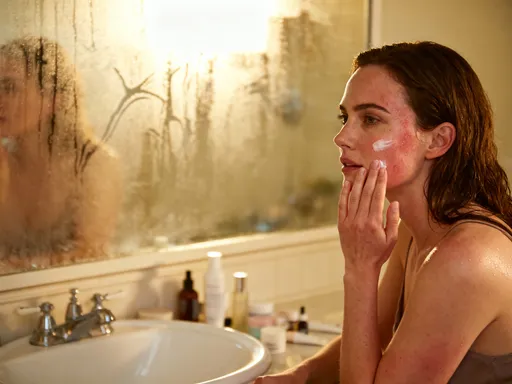
Ever felt like your skin just won’t bounce back? After years of harsh treatments and burnout, mine didn’t either. But what changed wasn’t a miracle product—it was a shift in mindset. I started treating skincare like rehabilitation: gentle, consistent, and science-backed. This isn’t about quick fixes; it’s about healing. If your skin feels tired, damaged, or reactive, this journey might be exactly what you need. What began as a personal reckoning with inflamed cheeks and constant irritation evolved into a deeper understanding of skin as a living, breathing organ—not a canvas for endless experimentation. The path to recovery wasn’t glamorous, but it was grounded in respect, patience, and biology. This is the story of how I learned to listen to my skin, support its natural rhythms, and rebuild its strength from the ground up.
The Hidden Crisis: When Skincare Becomes Self-Damage
For many, skincare has become synonymous with transformation—peels, acids, retinoids, and serums promising clearer, younger-looking skin. Yet beneath the glossy marketing lies a growing, often unspoken crisis: the unintended harm caused by over-treatment. Women in their 30s, 40s, and beyond, seeking to maintain healthy complexions, often find themselves caught in a cycle of applying increasingly potent products, believing that more actives mean better results. The truth, however, is far more nuanced. Aggressive regimens can compromise the skin’s protective barrier, leading to chronic redness, dehydration, and increased sensitivity. What starts as an effort to improve appearance can quickly spiral into a state of persistent irritation and discomfort.
The skin barrier—specifically the stratum corneum—functions as a shield, locking in moisture and keeping out environmental aggressors like pollution and microbes. When this barrier is repeatedly stripped through over-exfoliation or harsh cleansers, its integrity weakens. Ingredients such as alpha-hydroxy acids (AHAs), beta-hydroxy acids (BHAs), and high-concentration vitamin C, while beneficial in moderation, can become counterproductive when used too frequently or layered without proper spacing. The body’s natural repair mechanisms become overwhelmed, and the skin enters a state of distress. This isn’t a sign of progress; it’s a biological alarm signaling that balance has been lost.
Recognizing this pattern is the first step toward change. The idea of *skin rehabilitation* reframes the conversation. Instead of viewing skincare as a battle against aging or imperfection, it becomes an act of restoration—akin to physical therapy after an injury. Just as a strained muscle requires rest, proper nourishment, and gradual rebuilding, so too does compromised skin. The goal shifts from visible results in the short term to sustainable health in the long term. This mindset doesn’t reject active ingredients altogether but places them in their proper context: tools for maintenance, not constant intervention.
Why Skin Needs Recovery, Not More Products
Understanding why recovery matters begins with understanding what the skin actually does. Far from being a passive surface, the skin is a dynamic organ involved in temperature regulation, immune defense, and sensory perception. At its outermost layer, the stratum corneum consists of dead skin cells held together by lipids—primarily ceramides, cholesterol, and fatty acids. These components form a “brick-and-mortar” structure that prevents water loss and blocks irritants. When this lipid matrix is disrupted, the skin loses its ability to function effectively, leading to transepidermal water loss (TEWL), increased permeability, and inflammation.
Modern skincare routines often prioritize speed and intensity over sustainability. Daily use of exfoliants, foaming cleansers with high pH levels, and multiple serums applied in quick succession can overwhelm the skin’s natural turnover cycle, which typically takes about 28 days. Frequent peels or at-home treatments that mimic clinical procedures may strip away too much too fast, leaving the skin vulnerable. The misconception that tingling or redness indicates efficacy only deepens the problem. In reality, these sensations are signs of irritation, not improvement. Over time, this pattern erodes resilience, making the skin more reactive to even mild stimuli.
Just as athletes must allow muscles time to recover after intense training, the skin requires periods of rest to repair and regenerate. Continuous stimulation without recovery leads to fatigue—what dermatologists sometimes refer to as “barrier fatigue.” This state manifests as persistent tightness, flaking, and an increased tendency to react to products that were once well tolerated. The solution isn’t to introduce more products to “fix” the issue but to step back and allow the skin to reset. Recovery doesn’t mean doing nothing; it means doing the right things—supporting the skin’s innate ability to heal itself through hydration, protection, and minimal interference.
Recognizing the Signs: Is Your Skin in Need of Rehab?
Knowing when to shift from an aggressive routine to a restorative one requires self-awareness. Many women continue using products that cause discomfort because they believe the discomfort is part of the process. However, certain symptoms clearly indicate that the skin is in distress and needs intervention. Persistent redness, especially across the cheeks and nose, is a common sign of inflammation. A stinging sensation when applying moisturizer or water—something that should never cause pain—is another red flag. Dehydration that doesn’t improve with typical hydrating products, frequent breakouts in areas that weren’t previously prone to them, and a rough, uneven texture despite regular exfoliation all point to a compromised barrier.
Equally telling are behavioral patterns. Do you frequently switch products, chasing the latest trend or “miracle” ingredient? Do you layer multiple actives—such as retinol, vitamin C, and exfoliating acids—without allowing time between applications? Do you use hot water to wash your face, believing it helps “open pores”? These habits, while common, can exacerbate damage rather than resolve it. The belief that more is better often leads to a cycle of overuse, reaction, and further product experimentation, creating a loop that delays healing.
It’s important to understand that irritation is not a sign of effectiveness. Unlike muscle soreness after exercise—which indicates micro-tears that lead to growth—skin irritation does not equate to progress. In fact, chronic inflammation can accelerate aging by breaking down collagen and impairing the skin’s ability to repair itself. Recognizing these signs early allows for timely intervention. The shift from damage to recovery begins not with a new product, but with a change in perception: your skin is not failing you; it is communicating with you. Listening to those signals is the foundation of true skincare wisdom.
The Foundation of Skin Rehabilitation: Less Is More
The cornerstone of skin rehabilitation is simplicity. The “less is more” philosophy is not a trend—it’s a biologically sound approach to restoring balance. When the skin is compromised, introducing fewer, well-chosen products allows it to focus on repair rather than defense. This doesn’t mean abandoning skincare altogether, but rather redefining its purpose. Instead of targeting specific concerns like wrinkles or dark spots, the focus shifts to strengthening the skin’s foundation: the barrier, pH balance, and inflammatory response.
The first pillar of recovery is barrier support. This involves using products rich in ingredients that mimic the skin’s natural lipids—such as ceramides, cholesterol, and fatty acids. These components help rebuild the lipid matrix, improving moisture retention and reducing sensitivity. Squalane, a lightweight, non-comedogenic oil, is another effective ingredient that reinforces the skin’s protective layer without clogging pores. Hyaluronic acid, when used in appropriate concentrations and paired with occlusive agents, can draw water into the skin and prevent evaporation.
The second pillar is pH balance. Healthy skin has a slightly acidic pH, typically between 4.5 and 5.5. This acidity, known as the acid mantle, plays a crucial role in defending against harmful bacteria and maintaining enzyme activity necessary for cell turnover. Many cleansers, especially foaming or soap-based ones, have a high pH that can disrupt this balance, leading to dryness and irritation. Switching to a gentle, low-pH cleanser helps preserve the acid mantle and supports overall skin health.
The third pillar is inflammation control. Chronic low-grade inflammation can impair healing and contribute to conditions like rosacea and acne. Ingredients such as niacinamide (vitamin B3) have been shown in clinical studies to reduce redness, improve skin elasticity, and strengthen the barrier. Aloe vera and centella asiatica are plant-derived compounds with soothing properties that can help calm reactive skin. By focusing on these three pillars—barrier support, pH balance, and inflammation control—skincare becomes a form of nurturing rather than correction.
A Step-by-Step Recovery Routine (Based on Dermatological Insight)
Rebuilding skin health requires a structured, phased approach. Dermatologists often recommend a simplified routine during recovery, focusing on four key steps: cleanse, hydrate, protect, and monitor. Each phase serves a specific purpose in supporting the skin’s natural repair processes.
The first step is gentle cleansing. This should be done no more than twice a day, using lukewarm water and a non-foaming, fragrance-free cleanser. Harsh surfactants and hot water can strip away natural oils, so avoiding them is essential. The goal is to remove dirt and excess sebum without disrupting the lipid barrier. After cleansing, pat the skin dry with a soft towel—never rub, as friction can further irritate sensitive skin.
The second step is hydration. This begins with a hydrating toner or essence containing humectants like glycerin or hyaluronic acid, which attract water to the skin. This is followed by a serum or moisturizer that includes barrier-repairing ingredients such as ceramides and fatty acids. For very dry or damaged skin, applying moisturizer to damp skin helps lock in hydration. In some cases, a facial oil—such as one containing squalane or sunflower seed oil—can be used as the final layer to provide an occlusive seal.
The third step is protection. Even during recovery, sun protection remains non-negotiable. UV radiation can worsen inflammation and delay healing. A mineral-based sunscreen with zinc oxide or titanium dioxide is often better tolerated by sensitive skin than chemical filters. It should be applied every morning, even on cloudy days, and reapplied if spending extended time outdoors.
The final step is monitoring. Keeping a simple journal to track product use, skin reactions, and environmental factors (like weather or stress levels) can help identify triggers and measure progress. Improvement may be subtle at first—less tightness, reduced redness, smoother texture—but these small changes indicate healing. Patience is crucial; visible recovery can take anywhere from four to twelve weeks, depending on the extent of damage.
Lifestyle & Environmental Factors That Support Healing
Skin health is not determined by topical products alone. Lifestyle and environmental factors play a significant role in the recovery process. Sleep, for example, is a critical time for skin repair. During deep sleep, the body increases blood flow to the skin and produces collagen, helping to restore damaged tissue. Chronic sleep deprivation can impair this process, leading to dullness, puffiness, and slower healing.
Stress is another major contributor to skin issues. When the body is under stress, it releases cortisol, a hormone that can increase oil production and inflammation. This can exacerbate conditions like acne, rosacea, and eczema. Incorporating stress-reduction techniques—such as mindfulness, deep breathing, or gentle yoga—can have a measurable impact on skin health. Even small daily practices, like taking a few minutes to pause and breathe, can help regulate the body’s stress response.
Diet also influences skin recovery. While no single food cures damaged skin, a balanced intake of essential fatty acids, antioxidants, and vitamins supports overall skin function. Omega-3 fatty acids, found in fatty fish, flaxseeds, and walnuts, help maintain the skin’s lipid barrier. Vitamin E, present in nuts and seeds, acts as an antioxidant, protecting skin cells from oxidative damage. Staying well-hydrated by drinking adequate water throughout the day supports internal moisture balance, which reflects on the skin’s surface.
Environmental factors must also be considered. Low humidity, especially in heated indoor spaces during winter, can dry out the skin. Using a humidifier at home or in the bedroom helps maintain optimal moisture levels in the air. Pollution, including fine particulate matter and ozone, can generate free radicals that damage skin cells. While complete avoidance is impossible, cleansing the skin at the end of the day removes accumulated pollutants. Sun exposure, even in small doses, can impair recovery, reinforcing the need for daily sunscreen use.
Simple daily habits also matter. Using a clean, soft cotton or silk pillowcase reduces friction and minimizes the transfer of bacteria. Washing hands before touching the face prevents the spread of irritants. Avoiding long, hot showers and using lukewarm water helps preserve natural oils. These small adjustments, when combined, create a supportive environment for healing.
When to Seek Professional Help and How to Stay Consistent
While many cases of barrier damage can be resolved with a simplified routine and lifestyle adjustments, some symptoms require professional evaluation. Persistent rashes, swelling, oozing, or widespread breakouts may indicate an underlying condition such as eczema, allergic contact dermatitis, or rosacea. In these cases, consulting a board-certified dermatologist is essential. A professional can provide an accurate diagnosis, rule out infections, and recommend prescription treatments if necessary. They may also perform patch testing to identify specific allergens or irritants.
Staying consistent with a recovery routine can be challenging, especially when results are not immediate. The temptation to revert to old habits—trying a new serum, reintroducing an exfoliant too soon—can derail progress. Setting realistic expectations is key. Healing is not linear; there may be days when the skin looks worse before it improves. Tracking progress through weekly photos or notes can provide motivation and help maintain perspective.
Creating a supportive mindset is equally important. Instead of viewing the recovery period as a limitation, reframe it as an investment in long-term health. Setting intentions—such as “I will treat my skin with kindness today”—can reinforce positive behavior. Involving family members or partners in the process, by explaining the importance of the routine, can reduce accidental disruptions (such as using shared towels or soaps).
Relapse prevention is part of sustainability. Once the skin has healed, reintroducing active ingredients should be done gradually—one product at a time, with at least a week between introductions. This allows the skin to adapt without overwhelming it. Even after recovery, maintaining a core routine of gentle cleansing, hydration, and sun protection ensures lasting resilience. True skincare success isn’t measured by how many products you use, but by how well your skin functions on its own.
True beauty isn’t about perfection—it’s about health. By approaching skincare as a form of rehabilitation, we shift from punishment to care. This method isn’t flashy, but it’s transformative. Healing your skin isn’t a trend; it’s a lasting commitment to treating yourself with kindness, patience, and science-backed wisdom. It’s about recognizing that the most powerful tool in your routine isn’t a serum or a device—it’s your understanding of what your skin truly needs. When we honor that need, we don’t just restore our skin; we rebuild our relationship with ourselves. And that, more than any product, is the foundation of lasting radiance.