What If Your Plate Could Turn Back Time?
Ever wondered why some people seem to age slower than others? It’s not just genetics—what you eat plays a massive role. I’ve tested dietary changes firsthand, and the difference in my energy and skin was real. Cutting out certain foods wasn’t about extreme restriction—it was about smart choices. This isn’t a quick fix, but a sustainable shift. Let me walk you through the science-backed way food can help you feel younger, look fresher, and live stronger. Aging is a natural process, but how quickly it unfolds in your body is significantly influenced by daily habits, especially what sits on your plate. The right foods can protect your cells, reduce inflammation, and support long-term vitality. The wrong ones can silently accelerate decline, even if you’re not seeing it in the mirror—yet.
The Aging Puzzle: Why Diet Matters More Than You Think
Many people associate aging with visible changes—wrinkles, gray hair, reduced mobility. But the truth is, aging begins at a cellular level long before these signs appear. Inside the body, a quiet process of wear and tear unfolds, driven by oxidative stress and chronic inflammation. These are not just buzzwords; they are measurable biological forces that degrade tissues, impair organ function, and contribute to age-related conditions like joint stiffness, cognitive decline, and fatigue. While time moves forward, your biological age—the functional state of your cells and systems—can be younger or older than your calendar years, depending on lifestyle.
Diet is one of the most powerful levers influencing biological age. Unlike genetics, which you cannot change, food is a daily choice. Every meal either supports cellular repair or adds to the burden of damage. Oxidative stress occurs when free radicals—unstable molecules produced naturally during metabolism—outnumber the body’s ability to neutralize them. Without sufficient antioxidants from food, these free radicals attack cell membranes, DNA, and proteins, accelerating aging. Chronic inflammation, often triggered by poor dietary patterns, further damages tissues and is linked to nearly every major age-related disease, from heart issues to cognitive decline.
The good news is that food can be medicine. Nutrient-rich, whole foods provide the building blocks the body needs to defend and regenerate. For example, leafy greens supply folate and antioxidants that protect DNA, while fatty fish deliver omega-3 fatty acids that calm inflammation. On the other hand, processed foods loaded with sugar and unhealthy fats do the opposite—they increase oxidative stress and trigger inflammatory responses. The cumulative effect over years shapes how you age, not just how you look, but how you feel and function. Recognizing this connection empowers you to make choices that support long-term health, not just short-term satisfaction.
The Hidden Triggers: Foods That Speed Up Aging
Not all calories are created equal, especially when it comes to aging. Certain foods, commonly found in modern diets, actively accelerate the aging process. Refined sugars, processed carbohydrates, trans fats, excessive alcohol, and industrial seed oils are among the most damaging. These ingredients don’t just add empty calories—they trigger biological reactions that degrade skin elasticity, impair brain function, and increase systemic inflammation. The danger lies in their ubiquity; they’re hidden in sauces, snacks, and even seemingly healthy packaged foods, making it easy to consume them daily without realizing the long-term cost.
Sugar, in particular, plays a starring role in premature aging. When glucose binds to proteins in the body—a process called glycation—it forms harmful compounds known as advanced glycation end products, or AGEs. These AGEs make tissues stiff and less functional. In the skin, this leads to loss of elasticity and the formation of wrinkles. In blood vessels, it contributes to stiffness and reduced circulation. The more sugar you consume, especially from processed sources like sodas and pastries, the more AGEs accumulate. This process happens silently, often without immediate symptoms, but over time, it shows up in sagging skin, joint discomfort, and low energy levels.
Processed carbohydrates—like white bread, crackers, and instant cereals—behave similarly to sugar in the body. They break down quickly into glucose, spiking blood sugar and promoting glycation. Trans fats, once common in margarines and fried foods, are now widely recognized as harmful. They increase inflammation, reduce good cholesterol, and damage the lining of blood vessels, all of which contribute to accelerated aging. Industrial seed oils, such as soybean and corn oil, are high in omega-6 fatty acids. While some omega-6 is necessary, excessive amounts—especially without balancing omega-3s—promote inflammation.
Alcohol, when consumed in excess, places a heavy burden on the liver, the body’s primary detoxification organ. Over time, this can impair the liver’s ability to process toxins and support metabolic health. It also dehydrates the skin and disrupts sleep, both of which affect appearance and energy. Real-world patterns show a clear link between daily soda consumption and visible aging. People who drink sugary beverages regularly often report more fatigue, duller skin, and slower recovery from minor illnesses. The message isn’t perfection—it’s awareness. Recognizing these dietary accelerants allows you to make informed choices, reducing exposure without feeling deprived.
The Power of Restriction: Not Deprivation, But Upgrade
When the word “restriction” comes up, many people think of strict diets, hunger, and sacrifice. But in the context of healthy aging, dietary restriction is not about deprivation—it’s about upgrading. It’s a conscious decision to remove foods that harm and replace them with ones that heal. This shift is not temporary; it’s a long-term investment in how you want to feel and function as the years pass. The goal isn’t to eliminate entire food groups unnecessarily, but to prioritize quality. When you stop filling your plate with processed items, you naturally create space for nutrient-dense, protective foods that support longevity.
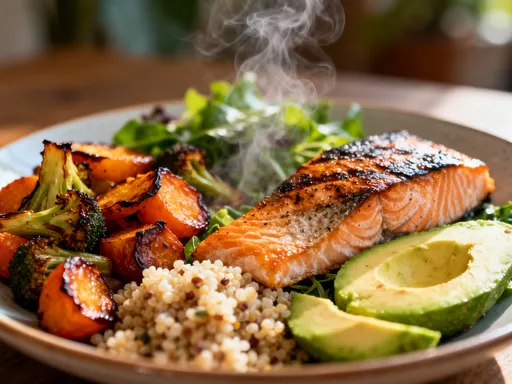
One effective strategy is the “crowding out” approach—focusing on adding beneficial foods rather than obsessing over what to cut. When meals are built around colorful vegetables, whole grains, lean proteins, and healthy fats, there’s simply less room for junk. For example, a lunch centered on a large salad with grilled salmon, avocado, and olive oil dressing leaves little appetite for chips or sugary desserts. This method is sustainable because it emphasizes abundance, not lack. It shifts the mindset from “I can’t have that” to “I get to enjoy this,” fostering a positive relationship with food.
Scientific evidence supports the benefits of moderate calorie intake for longevity. Studies on intermittent eating patterns—such as time-restricted eating or occasional fasting—show improvements in cellular repair processes like autophagy, where the body clears out damaged cells and regenerates new ones. These patterns don’t require extreme calorie reduction but rather mindful timing and portion control. The key is consistency and avoiding overeating, especially late at night, when metabolism slows. By aligning food intake with natural circadian rhythms, the body can digest and utilize nutrients more efficiently, reducing metabolic stress.
This approach is not about counting every calorie or following rigid rules. It’s about tuning into your body’s signals—eating when hungry, stopping when satisfied, and choosing foods that leave you energized, not sluggish. Over time, these small shifts add up to significant benefits: better digestion, stable energy, improved sleep, and a stronger immune system. Restriction, redefined as selective inclusion, becomes a form of self-care rather than punishment. It’s a way of saying yes to vitality, yes to clarity, and yes to feeling your best at any age.
Eat to Renew: The Anti-Aging Food Lineup
If food can age you, it can also renew you. Certain foods stand out for their ability to protect cells, reduce inflammation, and support tissue repair. These are not exotic superfoods available only in specialty stores—they are accessible, affordable, and easy to incorporate into daily meals. The foundation of an anti-aging diet lies in whole, minimally processed foods rich in antioxidants, healthy fats, fiber, and essential nutrients. By building meals around these ingredients, you give your body the tools it needs to maintain strength, clarity, and resilience.
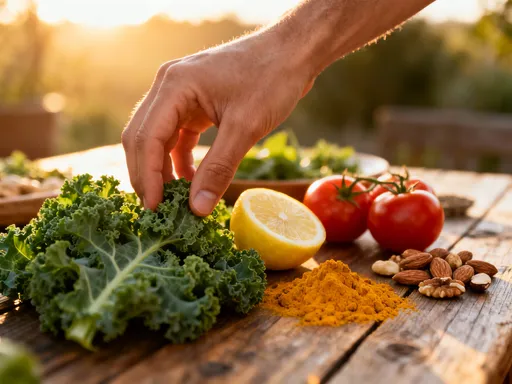
Leafy greens like spinach, kale, and Swiss chard are powerhouses of vitamins A, C, and K, as well as folate and antioxidants like lutein. These nutrients protect against oxidative damage, support eye health, and help maintain cognitive function. Berries—blueberries, strawberries, raspberries—are packed with polyphenols, particularly anthocyanins, which have been shown to improve memory and reduce inflammation. Nuts, especially walnuts and almonds, provide vitamin E, magnesium, and healthy fats that nourish the brain and skin. Fatty fish such as salmon, mackerel, and sardines are rich in omega-3 fatty acids, which are crucial for reducing inflammation and supporting heart and brain health.
Olive oil, a staple of the Mediterranean diet, contains oleocanthal, a compound with natural anti-inflammatory properties similar to ibuprofen (though without the side effects). It also enhances the absorption of fat-soluble vitamins like A, D, E, and K. Green tea is another potent ally, offering catechins like EGCG that protect cells and support metabolic health. Colorful vegetables—carrots, bell peppers, beets, and tomatoes—deliver a spectrum of phytonutrients that work together to defend the body. Lycopene in tomatoes, for instance, supports skin protection from sun damage, while beta-carotene in carrots contributes to healthy vision and skin tone.
Putting these foods together in meals doesn’t have to be complicated. A simple breakfast could include oatmeal topped with berries and walnuts, providing fiber, antioxidants, and healthy fats. Lunch might be a large salad with mixed greens, grilled salmon, avocado, and an olive oil-lemon dressing. Dinner could feature roasted vegetables with quinoa and a side of steamed broccoli. Snacks like a handful of almonds, a piece of fruit, or carrot sticks with hummus keep energy steady without spiking blood sugar. The key is variety and consistency—eating a wide range of these foods regularly ensures your body receives a broad spectrum of protective compounds. Over time, this translates to fewer aches, clearer skin, sharper thinking, and greater stamina.
Hydration & Timing: The Forgotten Anti-Aging Levers
While food choices get most of the attention, hydration and meal timing are equally important for healthy aging—yet often overlooked. Water is essential for every cellular function, from nutrient transport to waste removal. Chronic, low-level dehydration can impair metabolism, reduce skin elasticity, and contribute to fatigue and brain fog. As we age, the body’s thirst signals may become less sensitive, making it easier to go hours without drinking enough. This subtle deficit accumulates, affecting everything from digestion to joint lubrication.
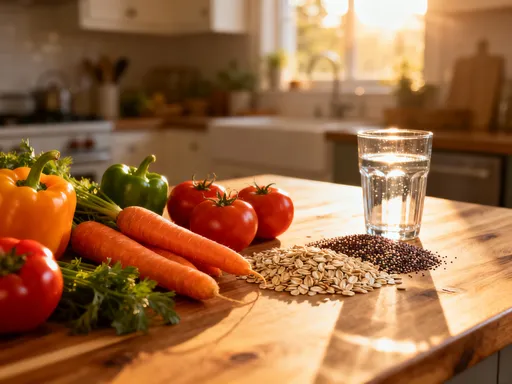
Staying well-hydrated supports detoxification, maintains blood volume, and keeps skin plump and resilient. The best sources of hydration go beyond plain water. Herbal teas like chamomile or rooibos provide fluid without caffeine, while water-rich foods—cucumbers, celery, watermelon, oranges—contribute to daily fluid intake and deliver additional nutrients. Starting the day with a glass of water, carrying a reusable bottle, and including hydrating foods in meals are simple ways to ensure consistent intake. Electrolyte balance, supported by foods rich in potassium and magnesium (like bananas, leafy greens, and avocados), also plays a role in maintaining hydration at the cellular level.
Meal timing is another powerful but underused tool. Eating at irregular hours or late into the evening can disrupt circadian rhythms, which regulate digestion, hormone release, and repair processes. When you eat late, the body is less efficient at processing food, leading to higher blood sugar levels and increased fat storage. Establishing a consistent eating window—such as finishing dinner by 7 p.m. and not eating again until breakfast—gives the digestive system a break and supports metabolic health. This pattern aligns with natural biological rhythms, promoting better sleep and more effective cellular repair overnight.
Intermittent eating, when done mindfully, can enhance these benefits. By allowing a 12- to 14-hour fasting window each night, the body shifts from digestion to maintenance mode, activating repair mechanisms. This doesn’t mean skipping meals or starving—it means eating within a comfortable timeframe that suits your lifestyle. For example, eating between 8 a.m. and 6 p.m. allows for three balanced meals without late-night snacking. Over time, this practice can improve energy, support weight management, and reduce inflammation. Hydration and timing, when combined with smart food choices, create a synergistic effect that amplifies anti-aging benefits.
Real Habits, Not Hype: Making It Stick Without Burnout
The most effective anti-aging strategies are not extreme or short-lived. They are sustainable, realistic habits that fit into real life. Many people start with enthusiasm but fall off when changes feel too rigid or overwhelming. The key to lasting success is gradual progress, not perfection. Instead of overhauling your entire diet overnight, focus on small, manageable shifts that build over time. These changes compound, leading to significant improvements without the stress of drastic restriction.
Simple swaps make a big difference. Choosing sparkling water with a slice of lemon instead of soda reduces sugar intake without sacrificing enjoyment. Opting for dark chocolate with at least 70% cocoa instead of milk chocolate provides antioxidants while satisfying sweet cravings. Replacing white rice with brown or wild rice increases fiber and nutrient content. These aren’t restrictions—they’re upgrades that enhance flavor and nourishment. Over time, your taste preferences adapt, and healthier options become the default.
Mindful eating is another powerful habit. Slowing down, chewing thoroughly, and paying attention to your meal improves digestion and increases satisfaction. It also helps you recognize fullness cues, preventing overeating. Eating without distractions—like phones or television—allows you to connect with the experience of nourishing your body. This practice reduces stress around food and fosters a sense of gratitude and presence. Even one mindful meal a day can shift your relationship with eating.
It’s also important to remember that diet doesn’t work in isolation. Sleep and stress management are critical partners in the anti-aging journey. Poor sleep increases inflammation and disrupts hormone balance, while chronic stress raises cortisol levels, which can break down muscle and store belly fat. Prioritizing seven to eight hours of quality sleep and incorporating calming practices—like walking, deep breathing, or journaling—supports the benefits of a healthy diet. Together, these habits create a foundation for lasting vitality, not just temporary results.
Beyond the Plate: When to Seek Expert Support
While food is a powerful tool, it’s not a one-size-fits-all solution. Individual needs vary based on age, health status, medications, and personal goals. What works for one person may not work for another. Some women in their 40s and 50s may need more calcium and vitamin D to support bone health, while others may benefit from increased protein to maintain muscle mass. Certain health conditions, such as diabetes, thyroid issues, or digestive disorders, require personalized dietary adjustments that should be guided by a professional.
This is where registered dietitians and healthcare providers play a vital role. They can assess your unique needs, review lab results, and help you create a plan that is both effective and safe. Before making major dietary changes—especially if you have a chronic condition or take medications—it’s wise to consult with a trusted provider. They can help you avoid nutrient deficiencies, manage interactions, and set realistic goals. Food is not a replacement for medical care, but it can be a powerful complement when used wisely.
The journey to healthy aging is not about chasing youth, but about embracing vitality at every stage. It’s about feeling strong, thinking clearly, and enjoying life with energy and purpose. You don’t have to do everything at once. Start with one change—drink more water, add a serving of vegetables, or eat dinner an hour earlier. Each choice is a step toward a healthier biological age. Aging is inevitable, but how you age is within your control. And it begins with your next meal.