What Your Plate Really Needs: Smart Food Combos That Work
You’ve probably heard “you are what you eat,” but what if it’s not just what you eat—but how you combine it? I started paying attention to food pairing after constantly feeling sluggish, no matter how “healthy” my meals looked. Turns out, some combos block nutrient absorption, while others supercharge it. This isn’t about strict diets or trends—it’s about making everyday eating smarter. Here’s what actually works.
The Hidden Problem: Why Eating Healthy Isn’t Always Enough
Many women in their 30s, 40s, and 50s strive to eat well—swapping processed snacks for salads, choosing oatmeal over pastries, blending green smoothies with kale and chia seeds. Yet, despite these efforts, fatigue, brain fog, and low energy remain common complaints. The issue isn’t a lack of willpower or discipline. It’s not even about calories. The real problem often lies beneath the surface: poor food combinations that prevent the body from accessing the very nutrients it needs.
Consider this: you might eat a spinach salad with grilled chicken for lunch, believing it’s a balanced, nutrient-rich meal. But if you follow it with a glass of milk or sprinkle feta cheese on top, you could be unknowingly blocking iron absorption. Spinach contains non-heme iron, a form that’s harder for the body to absorb. Dairy products, rich in calcium, compete with iron for absorption pathways in the gut. When consumed together, calcium can reduce iron uptake by up to 50%, according to research published in the American Journal of Clinical Nutrition. So even if your meal looks healthy, your body may not be benefiting as much as you think.
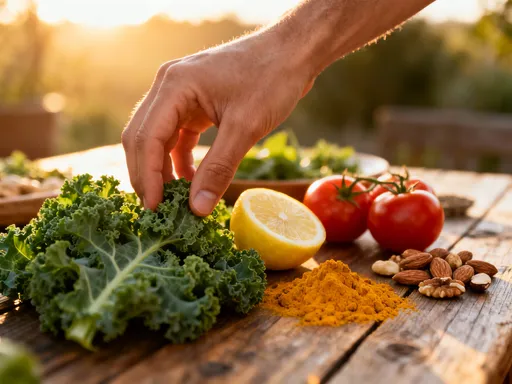
This is where the concept of food synergy comes in. Food synergy refers to the idea that certain nutrients work better together than alone. For example, pairing vitamin C-rich foods with plant-based iron sources can nearly double iron absorption. This means that adding bell peppers or lemon juice to your spinach salad could transform it from a partially effective meal into a powerful source of energy-supporting nutrition. It’s not about overhauling your diet—it’s about making strategic tweaks that amplify results.
Another common example is the modern smoothie trend. Many women blend spinach, protein powder, and a banana with a splash of almond milk, believing they’re fueling their bodies with a complete meal. But if they add a tablespoon of flaxseed—a great source of omega-3s—along with a calcium-fortified plant milk, they might be reducing the bioavailability of those healthy fats. Phytates in flaxseed can bind to minerals like calcium and zinc, making them less accessible. The solution isn’t to eliminate flaxseed but to balance the ingredients and consider timing.
The takeaway is clear: eating healthy foods is important, but how you combine them determines whether those nutrients are truly absorbed and used. For women managing busy households, careers, and personal well-being, maximizing nutrition efficiency isn’t a luxury—it’s a necessity. By understanding simple pairing principles, you can turn everyday meals into powerful tools for sustained energy, stronger immunity, and better digestion.
What Is Food Pairing? Breaking Down the Science (Without the Jargon)
Food pairing isn’t about following rigid rules or avoiding certain food groups. It’s about understanding how different nutrients interact during digestion to either enhance or hinder each other’s benefits. At its core, food pairing leverages the body’s natural processes to get more out of every bite. To understand how it works, it helps to know a little about digestion—without getting too technical.
Digestion begins in the mouth, where enzymes in saliva start breaking down carbohydrates. From there, food travels to the stomach, where hydrochloric acid and digestive enzymes further break it down into smaller components. The small intestine is where most nutrient absorption happens. Here, vitamins, minerals, fats, and amino acids pass through the intestinal lining and into the bloodstream. But this process isn’t automatic. Certain conditions must be met for optimal absorption, and food combinations play a key role in creating those conditions.
For example, fat-soluble vitamins—A, D, E, and K—require dietary fat to be absorbed. If you eat a salad full of vitamin K-rich greens like kale or Swiss chard but skip the dressing, your body may not absorb much of that nutrient. Similarly, carotenoids like beta-carotene (found in carrots and sweet potatoes) are better absorbed when eaten with a source of fat, such as olive oil or avocado. A study in the Journal of Nutrition found that adding avocado to a salad increased the absorption of alpha-carotene by 8.3 times and lutein by 13.6 times. That’s not a small difference—it’s a game-changer.
On the other hand, some food combinations can interfere with digestion. For instance, consuming large amounts of fiber and protein at the same meal can slow gastric emptying, which may cause bloating or discomfort in some people. This doesn’t mean you should avoid fiber and protein together—far from it. Both are essential. But being mindful of portion sizes and food types can make a difference. Choosing cooked vegetables over raw ones in a high-protein meal, for example, can ease digestion because cooking breaks down tough plant fibers.
Another key factor is pH balance in the stomach. Different enzymes work best at different acidity levels. Proteins require a more acidic environment for proper breakdown, while carbohydrates are initially digested in a more neutral pH. When large amounts of both are eaten at once, especially in processed forms like fast food burgers and fries, the digestive system can become overwhelmed. This may lead to indigestion, gas, or even nutrient malabsorption over time. Again, the solution isn’t to eliminate mixed meals but to choose whole, minimally processed foods that are easier to digest.
It’s also important to clarify what food pairing is not. It’s not the same as restrictive “food combining diets” that claim you should never eat starches and proteins together. These diets lack strong scientific support and can be unnecessarily limiting. Instead, smart food pairing is about making informed choices—knowing when to pair certain foods for synergy and when to space them out to avoid interference. It’s flexible, practical, and rooted in evidence.
Power Pairs That Actually Boost Immunity
Immune health is a top concern, especially for women balancing family care and personal well-being. While supplements are often marketed as the answer, the foundation of a strong immune system lies in daily nutrition. Certain food combinations can significantly enhance the body’s natural defenses by improving the absorption and activity of key immune-supporting nutrients.
One of the most well-researched synergistic pairs is vitamin C with plant-based iron. Iron plays a crucial role in immune cell production and function. However, the non-heme iron found in plant foods like lentils, beans, and spinach is not as easily absorbed as the heme iron in meat. Vitamin C acts as a powerful enhancer, converting iron into a more absorbable form. Adding a source of vitamin C—such as chopped bell peppers, lemon juice, or a side of oranges—to a lentil soup or bean salad can increase iron absorption by up to three times. This is especially beneficial for women who may be at higher risk for iron deficiency due to menstrual blood loss.
Another powerful duo is turmeric and black pepper. Turmeric contains curcumin, a compound with strong anti-inflammatory and antioxidant properties. However, curcumin is poorly absorbed on its own. Black pepper contains piperine, which can enhance curcumin absorption by up to 2,000%, according to a study in Planta Medica. This means that a simple sprinkle of black pepper on a turmeric-infused dish—like a golden milk latte or a roasted vegetable tray—can dramatically increase its health benefits. For women managing joint discomfort or seasonal wellness challenges, this small addition can make a meaningful difference.
Lycopene, a carotenoid found in tomatoes, is another nutrient that benefits from smart pairing. Lycopene has been linked to heart and immune health, but like other fat-soluble compounds, it requires fat for optimal absorption. Cooking tomatoes also increases lycopene bioavailability by breaking down cell walls. When paired with healthy fats like olive oil, the absorption of lycopene improves significantly. A study in the Journal of Agricultural and Food Chemistry found that consuming tomato sauce with olive oil led to higher blood levels of lycopene compared to eating tomatoes alone. This makes dishes like a warm tomato and basil pasta with a drizzle of extra virgin olive oil not just delicious but also nutritionally strategic.
Vitamin D and magnesium form another important pair. Vitamin D supports immune regulation, but it requires magnesium for activation in the body. Many women are low in magnesium due to dietary gaps or stress, which can limit the effectiveness of vitamin D—even if they’re getting enough from sunlight or supplements. Foods rich in magnesium include pumpkin seeds, spinach, and black beans. Pairing these with vitamin D sources—like fatty fish or fortified foods—can help ensure the immune system functions at its best.
These combinations don’t require elaborate meal planning. A simple roasted sweet potato with black beans and a lime-cilantro dressing delivers vitamin C, plant iron, and magnesium. A morning smoothie with spinach, orange, chia seeds, and a teaspoon of almond butter offers iron, vitamin C, omega-3s, and healthy fats. The key is consistency—making these synergies a regular part of your eating pattern rather than a one-time effort.
Gut-Friendly Combos: When Your Belly Thanks You
Digestive comfort is often overlooked, yet it’s fundamental to overall well-being. Bloating, gas, and irregularity can affect energy levels, mood, and confidence. The gut is home to trillions of beneficial bacteria that play a role in digestion, immunity, and even hormone balance. Supporting this microbiome through smart food pairing can lead to noticeable improvements in how you feel every day.
One of the most effective strategies is combining prebiotics with probiotics. Prebiotics are types of fiber that feed good gut bacteria. They’re found in foods like bananas, onions, garlic, asparagus, and oats. Probiotics are live beneficial bacteria found in fermented foods such as yogurt, kefir, sauerkraut, and kimchi. When eaten together, they create a symbiotic effect—often referred to as a synbiotic. For example, adding sliced banana to a bowl of plain yogurt delivers inulin (a prebiotic fiber) and live cultures (probiotics), helping good bacteria thrive.
Timing matters, too. Eating fruit on a full stomach, especially melons or citrus, can lead to fermentation in the gut, causing gas and bloating. Fruit digests quickly, so it’s best consumed on an empty stomach or as a snack between meals. Similarly, pairing high-sugar foods with fermented items can disrupt the balance of gut bacteria. The natural sugars in fruit are fine, but adding honey or maple syrup to yogurt may feed less desirable microbes. Choosing plain fermented foods and adding fresh fruit instead of sweetened versions is a simple upgrade.
Cooking methods also influence gut compatibility. Raw cruciferous vegetables like broccoli and cabbage contain raffinose, a complex sugar that can cause gas in some people. Cooking these vegetables helps break down raffinose, making them easier to digest. Pairing them with ginger or fennel—both known for their digestive-soothing properties—can further reduce discomfort. A warm stir-fry with broccoli, carrots, and a touch of grated ginger is not only flavorful but also gentle on the stomach.
Hydration plays a supporting role in digestion. Soluble fiber, found in foods like apples, oats, and legumes, absorbs water to form a gel-like substance that slows digestion and supports healthy bowel movements. Without adequate fluids, fiber can contribute to constipation instead of relieving it. Drinking water throughout the day, especially with high-fiber meals, ensures that fiber works effectively. Herbal teas like peppermint or chamomile can also aid digestion and reduce bloating when enjoyed after meals.
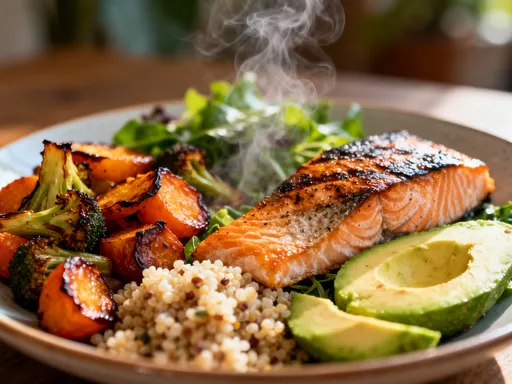
For women experiencing digestive changes due to age, stress, or hormonal shifts, these small adjustments can bring significant relief. A simple dinner of steamed asparagus with a side of quinoa and grilled salmon, finished with a cup of ginger tea, combines prebiotics, protein, healthy fats, and digestion-supportive elements. Over time, consistent gut-friendly pairing can lead to a more comfortable, balanced digestive experience.
Energy-Boosting Meals: Ditch the Crash with Smart Mixes
Afternoon fatigue is a common complaint, especially for women juggling work, family, and household responsibilities. The urge to reach for coffee or a sugary snack is strong, but these quick fixes often lead to a sharper crash later. The real solution lies in stabilizing blood sugar through balanced food combinations that provide sustained energy.
Carbohydrates are the body’s primary energy source, but not all carbs are created equal. Refined carbohydrates like white bread, pastries, and sugary cereals are broken down quickly, causing a rapid spike in blood sugar followed by a sharp drop. This rollercoaster effect leads to fatigue, irritability, and cravings. In contrast, complex carbohydrates—such as oats, brown rice, sweet potatoes, and legumes—are digested more slowly, especially when paired with protein and healthy fats.
Protein and fat slow the digestion of carbohydrates, preventing rapid glucose release into the bloodstream. For example, eating an apple with a handful of almonds is more satisfying and energy-sustaining than eating the apple alone. The fiber in the apple slows digestion, while the protein and fat in the almonds further stabilize blood sugar. This combination also promotes satiety, reducing the urge to snack between meals.
Whole grains paired with legumes create a complete protein profile and provide steady energy. A lunch of brown rice and black beans, seasoned with lime and cilantro, offers complex carbs, plant protein, fiber, and healthy fats. This type of meal supports long-lasting fullness and mental clarity, making it ideal for busy afternoons. Similarly, a slice of whole grain toast with avocado and a poached egg delivers fiber, healthy fats, and high-quality protein—a balanced trio that fuels both body and mind.
It’s also important to avoid high-sugar and high-fat combinations that offer little nutritional value. Pastries, donuts, and many commercial smoothie bowls fall into this category. While they may seem healthy—especially when topped with granola and fruit—they often contain added sugars and refined carbs that spike blood sugar. Instead, focus on whole food combinations: a smoothie made with unsweetened almond milk, spinach, frozen berries, chia seeds, and a scoop of protein powder provides energy without the crash.
Meal timing also influences energy levels. Skipping breakfast or waiting too long to eat can lead to low blood sugar, resulting in fatigue and poor concentration. A balanced morning meal—such as oatmeal with walnuts and blueberries or a vegetable omelet with whole grain toast—sets a stable metabolic tone for the day. Snacks between meals, especially mid-morning and mid-afternoon, help maintain energy. A small handful of mixed nuts or a piece of fruit with nut butter can prevent energy dips without overloading the system.
Foods That Block Each Other—And What to Do Instead
Just as some foods enhance each other, others can interfere with nutrient absorption. Being aware of these interactions allows you to make smarter choices without eliminating nutritious foods. The goal isn’t perfection—it’s optimization.
One of the most well-documented blockers is calcium’s effect on iron absorption. Consuming dairy products or calcium supplements with iron-rich meals can significantly reduce iron uptake. This is especially relevant for women of childbearing age and those in perimenopause, who may already be at risk for iron deficiency. The solution is simple: enjoy your yogurt or milk between meals rather than with iron-rich foods like spinach, lentils, or fortified cereals.
Coffee and tea contain polyphenols like tannins, which can bind to iron and reduce its absorption by up to 60%. Drinking tea with meals, especially those containing plant-based iron, can undermine your efforts to boost iron levels. Instead, enjoy your tea or coffee between meals—ideally 30 to 60 minutes before or after eating. This small timing shift can make a meaningful difference in mineral absorption.
Phytates, found in whole grains, legumes, nuts, and seeds, can bind to minerals like iron, zinc, and calcium, reducing their availability. While phytates also have antioxidant properties, soaking, sprouting, or fermenting these foods can reduce their mineral-binding effects. For example, choosing sprouted grain bread or soaking beans before cooking can improve nutrient accessibility. Similarly, sourdough fermentation breaks down phytates, making the minerals in bread more bioavailable.
Oxalates, present in foods like spinach, Swiss chard, and beet greens, can bind to calcium and form insoluble compounds that are excreted. This means that while these greens are nutritious, their calcium isn’t highly absorbable. Pairing them with low-oxalate, calcium-rich foods like broccoli, bok choy, or fortified plant milks ensures better overall calcium intake. Cooking spinach also reduces its oxalate content, improving mineral availability.
Rather than avoiding these foods, the key is balance and preparation. Enjoy your morning oatmeal, but consider having it an hour before your spinach salad. Love your afternoon tea? Sip it between lunch and dinner instead of with your meal. These small adjustments allow you to enjoy a wide variety of nutritious foods while maximizing their benefits.
Making It Real: Simple Daily Swaps Anyone Can Try
Understanding food pairing is one thing—applying it every day is another. The good news is that small, consistent changes can lead to lasting results. You don’t need to overhaul your kitchen or memorize complex rules. Here are five simple, science-backed swaps to try today.
First, upgrade your breakfast. Instead of plain oatmeal, add a handful of walnuts and a few slices of banana. The healthy fats in walnuts slow carbohydrate digestion, while the banana provides prebiotic fiber. Drizzle with a teaspoon of ground flaxseed for added omega-3s and fiber. This combination supports heart health, digestion, and sustained energy.
Second, rethink your salad. Instead of a fat-free dressing, use extra virgin olive oil and lemon juice. The oil enhances the absorption of fat-soluble vitamins and carotenoids, while the lemon juice boosts iron absorption from leafy greens. Add chickpeas for plant protein and a sprinkle of sunflower seeds for vitamin E and healthy fats.
Third, pair your tea wisely. If you enjoy green tea for its antioxidants, drink it between meals rather than with breakfast or lunch. This avoids interference with iron absorption and still allows you to benefit from its polyphenols. Pair it with a small handful of almonds later for a satisfying, nutrient-rich snack.
Fourth, build balanced snacks. Instead of fruit alone, pair it with a source of protein or fat. Apple slices with almond butter, pear with a few cubes of cheese, or berries with plain Greek yogurt create balanced mini-meals that stabilize blood sugar and curb cravings.
Fifth, optimize dinner. Choose tomato-based sauces cooked with olive oil and serve them with a side of steamed broccoli. The oil increases lycopene absorption, while the broccoli provides calcium and fiber. Add grilled salmon or lentils for protein and omega-3s. Finish with a small piece of dark chocolate (70% or higher) and a cup of chamomile tea for a relaxing, digestion-friendly end to the day.
A sample day might look like this: morning oatmeal with walnuts and banana; a mid-morning snack of apple and almonds; lunch of lentil soup with a side salad dressed in olive oil and lemon; an afternoon cup of green tea; dinner of tomato and vegetable stew with olive oil, quinoa, and steamed asparagus; and a small bowl of plain yogurt with fresh berries before bed. Each meal and snack includes strategic pairings that support nutrient absorption, energy, and digestion.
Conclusion: Eat Smarter, Not Harder
Optimal health doesn’t come from extreme diets or expensive supplements. It comes from the small, consistent choices you make every day—especially what you put on your plate. By understanding how foods interact, you can transform ordinary meals into powerful sources of nourishment. Food synergy isn’t about perfection; it’s about progress. It’s about adding lemon to your greens, pairing healthy fats with vegetables, and spacing out certain foods to maximize their benefits.
Every meal is an opportunity to support your body’s energy, immunity, and digestion. You don’t need to memorize every nutrient interaction—just a few key principles can make a lasting difference. Over time, these habits become second nature, leading to more energy, fewer cravings, and greater well-being.
Remember, these tips are based on general nutrition science and are not a substitute for professional medical advice. Always consult a healthcare provider for personal health concerns. But for most women, smarter food pairing is a simple, sustainable way to feel better from the inside out. Start small. Stay consistent. And let your plate work for you.